
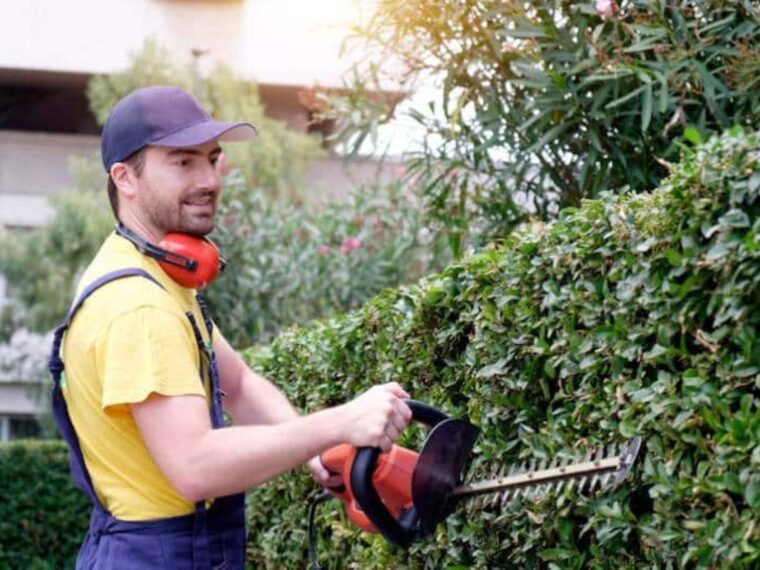
Why Is Year-Round Hedge Trimming Important for Sydney Gardens?
Year-round hedge trimming in Sydney keeps your garden hedges healthy, thick, and visually appealing throughout the year. The subtropical climate of Sydney allows hedges to grow actively for most of the year, making consistent maintenance essential rather than optional.
The Problems with Neglecting Regular Hedge Care
Neglecting regular hedge care in hedge trimming Sydney leads to several problems that worsen over time:
- Overgrown hedges – When hedges are not trimmed regularly, they become overgrown and develop woody centers with sparse foliage.
- Hiding spots for pests – Overgrown hedges create hiding spots for pests, making it easier for them to infest your garden.
- Susceptibility to fungal diseases – The humid conditions in Sydney make hedges more susceptible to fungal diseases if they are not properly maintained.
- Stressful restoration process – Once hedges reach a state of neglect, restoring them requires aggressive pruning that stresses the plants and takes months to recover.
The Benefits of Consistent Hedge Maintenance
Consistent hedge maintenance throughout the year delivers multiple benefits:
- Optimal growth patterns – Regular trimming encourages lateral branching, creating fuller hedges with dense foliage from top to bottom.
- Shape retention – Frequent light trims maintain your desired hedge profile without requiring drastic cuts.
- Pest and disease control – Removing dead or diseased material promptly prevents infestations from spreading.
- Manageable workload – Small, regular maintenance sessions require less effort than infrequent heavy pruning.
- Enhanced property value – Well-maintained hedges significantly boost curb appeal and garden aesthetics.
The Importance of Proactive Hedge Maintenance
Sydney’s year-round growing season means hedges don’t enter true dormancy like those in colder climates. This continuous growth cycle demands a proactive approach to hedge maintenance rather than the “set and forget” mentality.
Hedges trimmed seasonally according to their growth patterns stay healthier, require less water and fertilizer, and resist environmental stresses better than neglected specimens.
The Visible Difference in Hedges
The difference between hedges receiving year-round attention and those pruned sporadically becomes obvious within a single growing season. Regularly maintained hedges display uniform color, consistent density, and crisp lines that define garden spaces beautifully.
When Should Homeowners Trim Their Hedges in Sydney?
The best time to trim hedges in Sydney depends on how much pruning is needed and the growth patterns of the season. Hard pruning should be done at the end of spring (November) or early autumn (March-April) to give plants time to recover before winter dormancy or the summer heat stress period.
Late winter to early spring (July-September) is the ideal time for hedge trimming that Sydney residents should focus on. This pruning schedule followed by Sydney gardeners takes advantage of the plant’s dormant state, promoting vigorous new growth once warmer weather arrives. Trimming before spring ensures energy goes towards fresh, healthy shoots instead of overgrown branches.
Seasonal Trimming Breakdown
Spring and Summer Maintenance
Light, regular trimming during warmer months maintains shape without shocking the plant. These gentle touch-ups every 4-6 weeks prevent hedges from becoming unruly while promoting dense foliage development. The active growing season means plants quickly recover from minor cuts, filling in gaps and maintaining the desired silhouette.
Autumn Adjustments
Early autumn trimming prepares hedges for winter by removing excess growth that could suffer frost damage. This timing allows cuts to heal before cold weather arrives, reducing vulnerability to disease and pest infiltration through open wounds.
Winter Considerations
Minimal trimming during winter months protects plants from cold stress. Major reshaping during this dormant period works well for structural corrections, though homeowners should avoid cutting during frost or immediately before predicted cold snaps. Sydney’s mild winters permit strategic pruning that would damage hedges in colder climates.
Frequency Guidelines
Fast-growing species like Murraya may require monthly light trims during peak growing season, while slower varieties such as Buxus need attention only 2-3 times annually. Matching your pruning schedule with Sydney conditions and species-specific growth rates prevents both neglect and over-maintenance.
How Do Different Hedge Species Impact Trimming Schedules and Techniques?
Different hedge species require distinct approaches to trimming based on their growth patterns, foliage density, and seasonal behaviour. Understanding your hedge species Sydney characteristics determines whether you’ll need monthly maintenance or quarterly attention.
Lilly Pilly Pruning Requirements
Does Lilly Pilly need frequent trimming? This fast-growing native responds best to light trimming every 6-8 weeks during spring and summer. Lilly Pilly pruning works optimally when you maintain its natural rounded shape while removing psyllid-affected tips promptly. The species tolerates hard pruning in late spring, making it forgiving for homeowners who need to reduce size significantly. New growth emerges vigorously after cutting, so timing your major prune before the active growing season maximizes recovery.
Photinia Care Timing and Methods
When should you trim Photinia hedges? Photinia care centres on post-flowering trimming in late spring to maintain the distinctive red new growth. This species benefits from two main trims annually—one after flowering and another light shaping in late summer. Avoid autumn pruning as fresh growth may suffer frost damage during cooler months. The thick, leathery leaves require sharp blades to prevent bruising and brown edges that diminish aesthetic appeal.
Murraya Trimming Frequency
How often does Murraya need attention? Murraya trimming demands the most frequent schedule among popular Sydney hedges, requiring maintenance every 4-6 weeks during active growth. This species grows rapidly in warm conditions and quickly loses its compact form without regular attention. Light, frequent cuts encourage dense branching and the fragrant white flowers that make this hedge desirable. Heavy pruning should occur in early spring before the main flowering period to avoid sacrificing blooms.
Buxus Box Hedge Care Specifications
What makes Buxus different from other hedges? Buxus box hedge care requires precision trimming 2-3 times yearly to maintain formal shapes and prevent woody centres. This slow-growing species tolerates detailed shaping but responds poorly to cutting into old wood. Spring and late summer trims keep box hedges compact, while avoiding winter cutting prevents frost damage to fresh wounds. The dense growth
What Techniques Ensure Healthy and Attractive Hedge Growth?
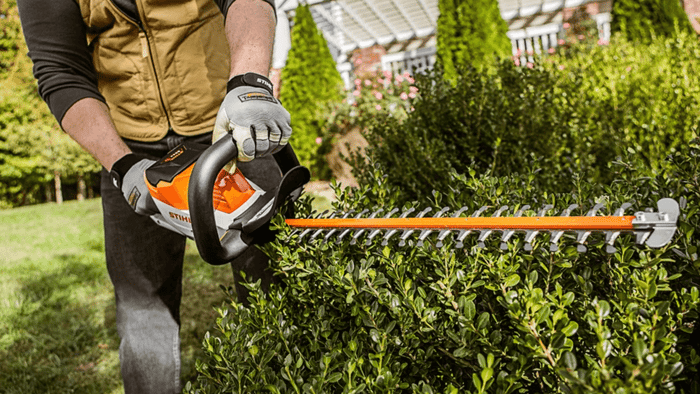
Mastering proper hedge trimming techniques transforms ordinary hedges into thriving garden features. Sharp, clean cutting tools create precise wounds that heal quickly, allowing plants to direct energy toward new growth rather than recovery. Dull blades crush stems, creating ragged edges that invite disease and reduce the plant’s ability to photosynthesize effectively.
Why Does Tool Sharpness Matter for Hedge Health?
Clean cuts made with sharp blades seal faster and minimize tissue damage. The smooth surface allows the plant to compartmentalize the wound efficiently, reducing water loss and preventing pathogen entry. Sterilizing tools between cuts—especially when moving between different hedges—stops the spread of fungal diseases and bacterial infections that can devastate an entire hedge line.
How Does the One-Third Rule Protect Your Hedges?
The one-third rule pruning principle prevents shock by limiting removal to no more than one-third of the hedge’s total foliage at any single trimming session. Removing excessive growth forces the plant to redirect resources from root development to emergency leaf production. This stress response weakens the hedge’s structure and makes it vulnerable to pests, diseases, and environmental extremes like Sydney’s hot summer days.
Plants maintain a delicate balance between their root systems and foliage canopy. Cutting beyond one-third disrupts this equilibrium, potentially causing:
- Reduced nutrient uptake capacity
- Increased susceptibility to drought stress
- Delayed recovery periods between trims
- Sparse, uneven regrowth patterns
What Makes Tapering Essential for Dense Growth?
Tapering hedges with a wider base than top ensures sunlight reaches lower branches, preventing the bare patches that plague improperly shaped hedges. A tapered profile—typically 10-15 degrees from vertical—allows light to penetrate throughout the hedge’s depth. Bottom branches receiving adequate sunlight maintain their foliage density, creating the lush, full appearance Sydney homeowners desire.
Hedges trimmed with vertical or inward-sloping sides develop thin, sparse growth at their base as lower branches compete unsuccessfully for light. This architectural approach mimics natural plant growth patterns where lower branches naturally spread wider to capture available sunlight.
Which Tools and Safety Measures Are Essential for Hedge Trimming?
The right hedge trimming tools Sydney homeowners select directly impact both cutting precision and personal safety. Hand shears remain the gold standard for small hedges and detailed work, offering complete control over each cut while minimizing plant damage. Electric or battery-powered trimmers provide efficient alternatives for larger hedges, with battery models delivering eco-friendly operation without compromising power or creating emissions during use.
Selecting the Right Cutting Equipment
Manual Tools:
- Bypass hand shears for clean cuts on living branches
- Anvil pruners for dead wood removal
- Hedge shears with wavy blades to grip branches during cutting
- Loppers for thicker branches up to 5cm diameter
Powered Options:
- Battery-powered trimmers eliminate cord restrictions while reducing noise pollution
- Electric hedge trimmers suit properties with accessible power outlets
- Petrol-powered equipment for commercial-scale or remote locations
- Pole hedge trimmers for reaching tall hedges without ladders
Tool maintenance determines cutting quality as much as the initial purchase. Blades require sharpening after every 2-3 trimming sessions, while cleaning with methylated spirits prevents disease transmission between plants. Rust prevention through light oil application extends tool lifespan and maintains cutting efficiency.
Essential Safety Equipment Gardening Professionals Recommend
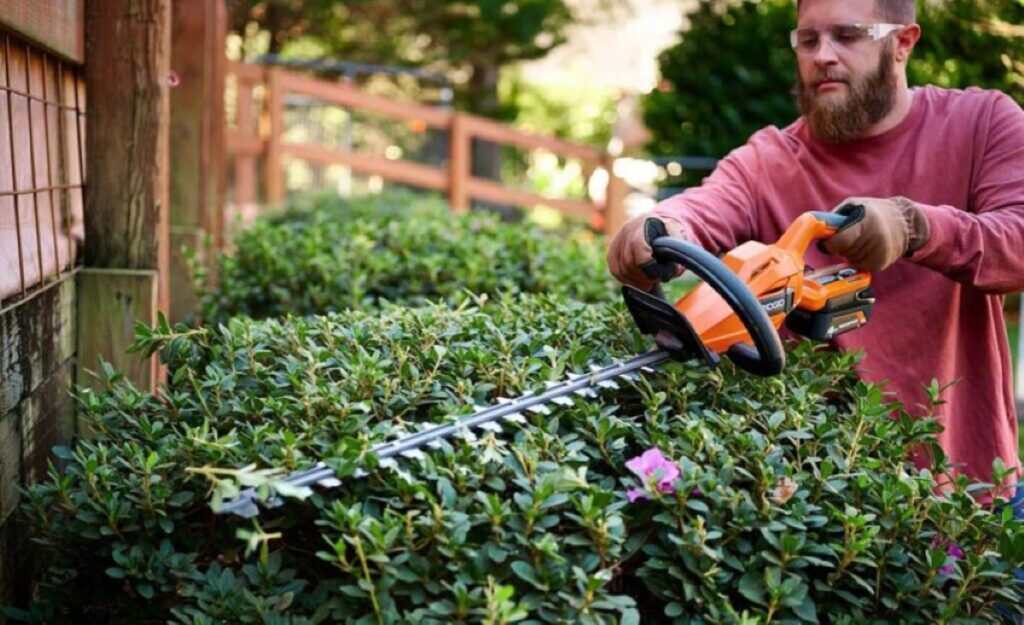
Personal protective equipment transforms hedge trimming from a hazardous activity into a controlled task. Safety goggles protect eyes from flying debris, particularly when using powered equipment that propels small branches at high velocity. Heavy-duty gardening gloves prevent blisters, cuts, and exposure to plant sap that may cause skin irritation.
Critical Safety Gear:
- Impact-resistant safety goggles or full-face shields
- Leather or reinforced fabric gloves with grip enhancement
- Steel-toed boots with slip-resistant soles
- Long-sleeved shirts and full-length trousers in thick fabric
- Hearing protection rated for 85+ decibels when using powered trimmers
- Hard hats for overhead work or trimming near structures
Clothing choices matter beyond basic protection. Fitted garments prevent snagging on branches or equipment, while bright colors increase visibility when working near roads or shared spaces.
How Does Regular Hedge Trimming Benefit Garden Health and the Environment?
Regular hedge trimming not only makes gardens look beautiful but also helps plants grow better. The advantages of trimming hedges go beyond just making things pretty; it actually creates healthier ecosystems in Sydney backyards.
Garden Aesthetics Improvement Through Strategic Maintenance
Well-maintained hedges create clean architectural lines that define outdoor spaces with precision. Regular trimming prevents hedges from developing uneven growth patterns or sparse sections that detract from their visual appeal.
Dense foliage results from consistent cutting schedules that encourage lateral branching. This creates the full, lush appearance homeowners desire while maintaining the hedge’s intended shape and height.
Neat geometric forms or flowing organic shapes become achievable when trimming occurs at proper intervals. Sydney gardens benefit from this structured approach, as hedges frame pathways, define property boundaries, and create privacy screens that enhance overall landscape design.
Plant Health Pruning Benefits for Stronger Growth
Trimming stimulates dormant buds along stems, triggering fresh growth that revitalizes aging hedges. This process redirects the plant’s energy toward producing healthy new shoots rather than maintaining overgrown branches.
Disease prevention ranks among the most critical plant health pruning benefits. Removing dead or diseased material stops pathogens from spreading throughout the hedge. Improved air circulation between branches reduces humidity levels that foster fungal infections and bacterial diseases.
Strategic cuts allow sunlight to penetrate deeper into the hedge canopy. Interior branches receive adequate light for photosynthesis, preventing the bare patches that commonly develop in neglected hedges.
Regular inspection during trimming sessions enables early detection of pest infestations. Sydney’s warm climate attracts various insects that damage hedge foliage, but consistent maintenance catches problems before they escalate.
Size Control Through Scheduled Trimming Sessions
Hedges left untrimmed quickly outgrow their designated spaces, encroaching on walkways and neighbouring properties. Scheduled maintenance keeps growth within desired parameters without shocking the plant.
The gradual approach to size management proves more effective than drastic cutting. Removing small amounts of growth multiple times annually maintains hedge dimensions while preserving plant health.
Height restrictions imposed by local councils require homeowners to monitor hedge growth actively. Regular trimming prevents violations and avoids potential disputes with neighbours
Why Should Homeowners Consider Professional Hedge Trimming Services?
Professional hedge trimming services provide specialized knowledge and equipment that most homeowners lack. Certified arborists bring years of training in plant biology, pruning techniques, and species-specific care requirements that directly impact hedge health and longevity.
1. Species-Specific Expertise
Different hedge varieties require distinct approaches. A certified arborist understands that Lilly Pilly responds differently to pruning than Murraya or Buxus. They recognize growth patterns, optimal cutting angles, and seasonal requirements for each species. This knowledge prevents common mistakes like cutting at the wrong time or removing too much foliage, which can stress plants and create long-term damage.
Pest and disease identification represents another critical advantage. Arborists spot early warning signs of infestations or fungal problems that untrained eyes miss. They can distinguish between normal leaf discoloration and symptoms of serious conditions like psyllid infestation in Lilly Pilly or box blight in Buxus hedges.
2. Regulatory Compliance and Legal Protection
Local council regulations impose specific restrictions on hedge heights, setbacks from boundaries, and approved species. Professional services stay current with these requirements across different council areas. They understand that North Sydney Council may have different rules than Parramatta or Sutherland Shire.
Height restrictions typically range between 2.5 and 3 meters for front hedges, with different limits for side and rear boundaries. Professionals ensure your hedges remain compliant, avoiding potential fines or neighbour disputes. Some species face restrictions due to invasive tendencies or fire risk classifications, particularly in bushfire-prone areas.
3. Consistent Results and Risk Reduction
Professional hedge trimming delivers uniform cuts and symmetrical shapes that enhance property aesthetics. Arborists use calibrated equipment and proven techniques to achieve level tops and smooth sides. They maintain consistent density throughout the hedge, preventing the patchy appearance that often results from amateur trimming.
Safety considerations become paramount when working with powered equipment or at heights. Professional services carry:
- Public liability insurance covering property damage and injuries
- Workers compensation protecting both employees and clients
- Professional indemnity insurance for advice and service quality
What Is the Seasonal Care Guide for Maintaining Hedges in Sydney?
Maintaining hedges in Sydney requires a seasonal approach to ensure their health and appearance throughout the year. Here’s a breakdown of the seasonal care guide for maintaining hedges in Sydney:
Spring: The Main Trimming Season
Spring is the primary trimming season for Sydney hedges when plants actively produce new growth and respond vigorously to pruning. This period offers the ideal window for major shaping work, allowing hedges to recover quickly and fill out before the intense summer heat arrives. Click here to get more about tree pruning Sydney: The ultimate seasonal checklist.
During spring months, homeowners should combine trimming activities with comprehensive maintenance tasks:
- Apply slow-release fertilizer after trimming to support robust new growth
- Conduct thorough pest inspections for early signs of scale, aphids, or caterpillars
- Check for fungal diseases that may have developed during humid conditions
- Shape hedges to desired profiles while plants have maximum recovery time
- Remove any winter damage or dead sections before new growth conceals them
Summer: Light Maintenance Practices
Summer requires a lighter touch with seasonal hedge care practices focused on maintenance rather than major restructuring. Light trimming sessions every 4-6 weeks keep hedges tidy without stressing plants during hot weather. These gentle trims maintain shape and encourage dense foliage development.
Summer care priorities include:
- Perform light tip pruning to maintain shape without removing excessive foliage
- Increase watering frequency during extended dry periods, especially for newly planted hedges
- Apply organic mulch around hedge bases to retain moisture and regulate soil temperature
- Monitor for heat stress indicators like wilting or browning foliage
- Avoid heavy pruning that exposes inner branches to intense sunlight
Autumn: Second Major Trimming Opportunity
Autumn presents the second major trimming opportunity, particularly for deciduous hedge species that will soon enter dormancy. Early autumn trimming allows plants to harden off before winter while still having enough warmth to seal cuts effectively.
Autumn maintenance tasks include:
- Trim deciduous hedges like Copper Beech or Hornbeam before leaf drop
- Remove dead or diseased branches to prevent winter disease spread
- Reduce watering gradually as temperatures cool and rainfall increases
- Apply autumn fertilizer with higher potassium content to strengthen plants
- Clear fallen leaves from hedge bases to prevent fungal growth
Winter: Minimal Intervention Required
Winter demands minimal intervention, with most hedges entering a period of dormancy. However, it’s essential to keep an eye on any winter damage caused by harsh weather conditions.
During winter months, homeowners should:
- Monitor hedges for signs of damage or disease
- Remove any dead or broken branches caused by storms or frost
- Avoid heavy pruning during this season as it can expose plants to cold temperatures
By following this seasonal care guide, homeowners in Sydney can ensure their hedges remain healthy, vibrant, and well-maintained throughout the year.
Conclusion
Successful year-round hedge care in Sydney requires consistent attention, proper timing, and the right techniques tailored to your specific hedge species. The strategies outlined throughout this guide provide homeowners with a comprehensive roadmap for maintaining vibrant, healthy hedges that enhance property value and environmental quality.
Your hedges are living investments that reward regular care with lush growth, privacy screening, and aesthetic appeal. By implementing seasonal trimming schedules—spring’s vigorous pruning, summer’s maintenance cuts, autumn’s cleanup, and winter’s strategic reshaping—you create optimal conditions for hedge vitality. Sharp tools, proper safety equipment, and adherence to the one-third rule prevent unnecessary plant stress while promoting dense, attractive foliage.
The choice between DIY maintenance and professional services depends on your hedge complexity, available time, and comfort level with equipment. Certified arborists bring specialized knowledge of Sydney’s climate challenges, local regulations, and species-specific requirements that ensure compliance and superior results. Their expertise in identifying early disease signs and pest infestations can save costly replacements down the line.
Essential Tips for Year-Round Hedge Trimming Sydney Success revolve around three core principles:
- Timing precision aligned with Sydney’s seasonal patterns
- Species-appropriate techniques that respect each plant’s growth habits
- Consistent monitoring to catch problems before they escalate
Start by assessing your current hedge condition and identifying the species in your garden. Create a trimming calendar based on the seasonal guidelines provided, marking key dates for major pruning sessions and light maintenance trims. Invest in quality tools and safety gear if handling the work yourself, or research reputable arborist services for professional assistance.
Your commitment to regular hedge care transforms these green boundaries into thriving garden features that provide year-round beauty, environmental benefits, and lasting enjoyment for your Sydney property.