What Is Tree Pruning and Why Is It Important in Sydney’s Urban Environment?
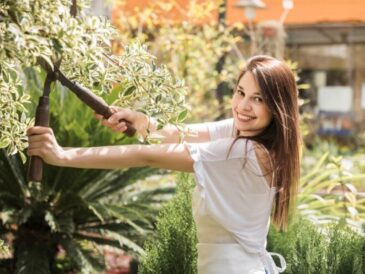
Tree pruning in Sydney involves the selective removal of branches, stems, or roots to improve tree health, structure, and appearance. This essential practice maintains tree vitality by directing nutrients to productive growth areas while eliminating dead, diseased, or damaged sections that could compromise the entire tree.
Benefits of Tree Pruning in Sydney’s Urban Environment
Tree Pruning Sydney services play a key role in urban tree maintenance, delivering multiple benefits for Sydney’s densely populated areas:
- Enhanced property aesthetics through well-shaped, healthy trees
- Increased real estate value by maintaining attractive and well-managed landscapes
- More inviting outdoor spaces with improved light and airflow
- Improved safety by removing dead, weak, or hazardous branches
The Importance of Regular Tree Pruning
Key benefits of regular tree pruning include:
- Extended tree lifespan through improved structural integrity
- Reduced risk of property damage from falling branches
- Enhanced air circulation within the canopy
- Better sunlight penetration to lower branches and surrounding plants
- Prevention of pest infestations and disease spread
Optimizing Growth and Health Outcomes with Seasonal Care
Seasonal tree care aligned with Sydney’s climate patterns optimizes growth and health outcomes:
- Pruning at the right time encourages proper growth patterns by stimulating new shoots in desired directions.
- Trees pruned during their dormant period experience less stress and heal faster, reducing vulnerability to pathogens.
Disease Prevention through Strategic Pruning Timing
The timing of pruning interventions directly impacts disease prevention:
- Cutting during active growth seasons can expose trees to fungal infections and pest invasions when wounds heal slowly.
- Strategic seasonal pruning removes potential disease vectors before they spread while allowing trees to compartmentalize wounds efficiently.
Adapting to Urban Challenges with Regular Pruning
Sydney’s urban forest faces unique challenges including limited root space, pollution exposure, and heat island effects:
- Regular pruning helps trees adapt to these constraints by managing canopy size, improving structural balance, and maintaining adequate clearance from infrastructure.
- This proactive approach to urban tree maintenance ensures Sydney’s green canopy remains healthy, safe, and visually appealing throughout the year.
When Should Trees Be Pruned in Sydney?
Pruning trees in Sydney depends on the species and growth patterns of the tree. The temperate climate of Sydney creates distinct seasonal periods that align with natural dormancy and growth cycles, making timing crucial for successful pruning results.
How Do Seasons Affect Tree Growth Cycles?
Trees respond to changes in temperature and daylight during different seasons by entering various physiological states. In winter, when trees are dormant, sap flow slows down significantly. This is the best time for structural pruning because trees experience minimal stress and bleeding during this period. Spring brings rapid cell division and new growth, while summer focuses on photosynthesis and fruit development. In autumn, trees prepare for winter rest by redirecting nutrients from leaves to roots.
Understanding these natural cycles is important for effective tree pruning. By timing your pruning around these periods, you can maximize the tree’s healing capacity and reduce the risk of disease. Pruning during active growth periods can deplete the tree’s energy reserves, while cutting during dormancy allows trees to seal wounds before pathogens become active in warmer months.
What’s the Best Time for Deciduous Trees?
The best time to prune deciduous trees in Sydney is late winter to early spring (July to September). During this period, trees are still dormant but are getting closer to their growth phase. This means that once temperatures rise, the tree will quickly form calluses over any cuts made during pruning.
Pruning during this time also has an added benefit: it allows you to see the structure of the tree clearly without any leaves blocking your view. This makes it easier for you to identify any crossing branches, dead wood, or other structural issues that need attention.
Certain species such as maples, elms, and liquidambars particularly respond well to this pruning schedule by developing strong branch architecture and vigorous spring growth.
When Should Flowering Trees Be Pruned?
When it comes to pruning flowering trees, it’s important to know whether they bloom in spring or summer as this will determine when you should prune them.
- Spring-flowering trees: These include jacarandas and flowering cherries. The best time to prune these trees is immediately after their flowers fade (late spring to early summer). This is because these species set next year’s flower buds on current season’s growth.
- Summer-flowering trees: These are trees that bloom on new growth such as crepe myrtles and some eucalyptus varieties. You can prune these types of trees in late winter alongside deciduous trees.
By following these specific pruning times based on bloom timing, you’ll be able to preserve the following year’s display for spring-flowering trees while encouraging abundant flowering wood for summer-flowering ones.
Are There Special Considerations for Fruit Trees?
What Tools Do You Need for Effective Tree Pruning?
Selecting the right pruning tools Sydney arborists recommend depends entirely on the thickness of the branches you’re cutting. Using equipment matched to branch diameter ensures clean cuts that heal quickly and reduces the risk of tearing bark or damaging tree tissue.
1. Secateurs (Hand Pruners)
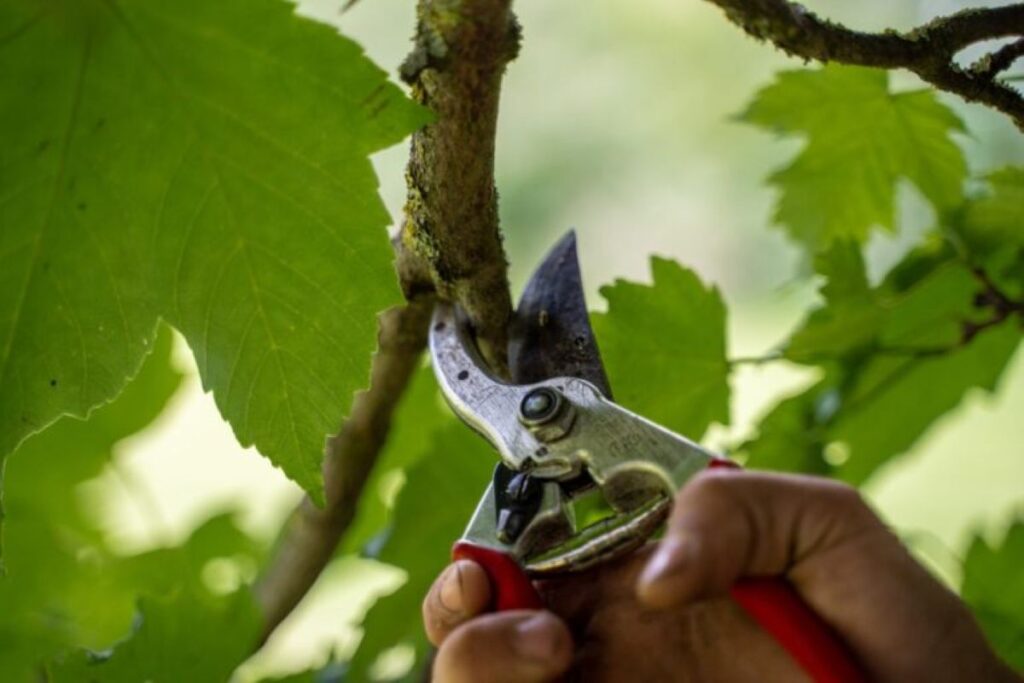
Secateurs (Hand Pruners) handle branches up to 2 cm in diameter. These handheld tools come in two main types: bypass secateurs, which work like scissors with two curved blades passing each other, and anvil secateurs, which use a single sharp blade cutting against a flat surface. Bypass models create cleaner cuts and are preferred for live wood, while anvil types work better for dead branches.
2. Loppers
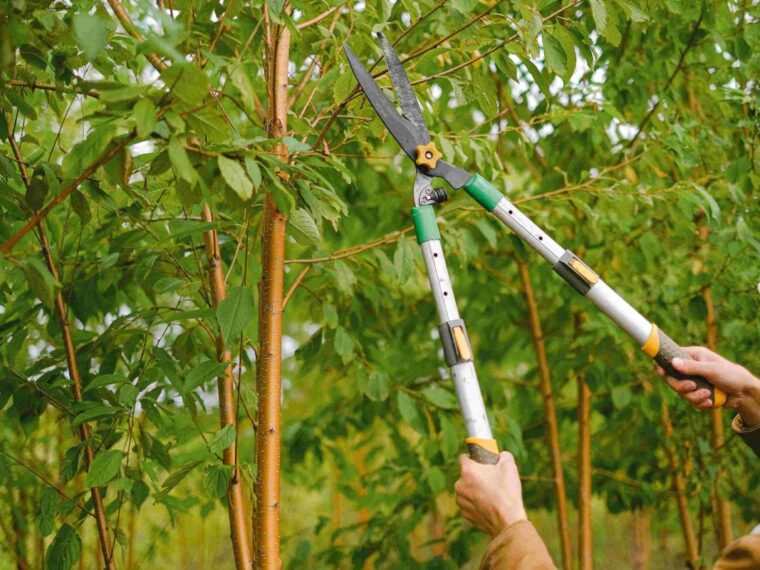
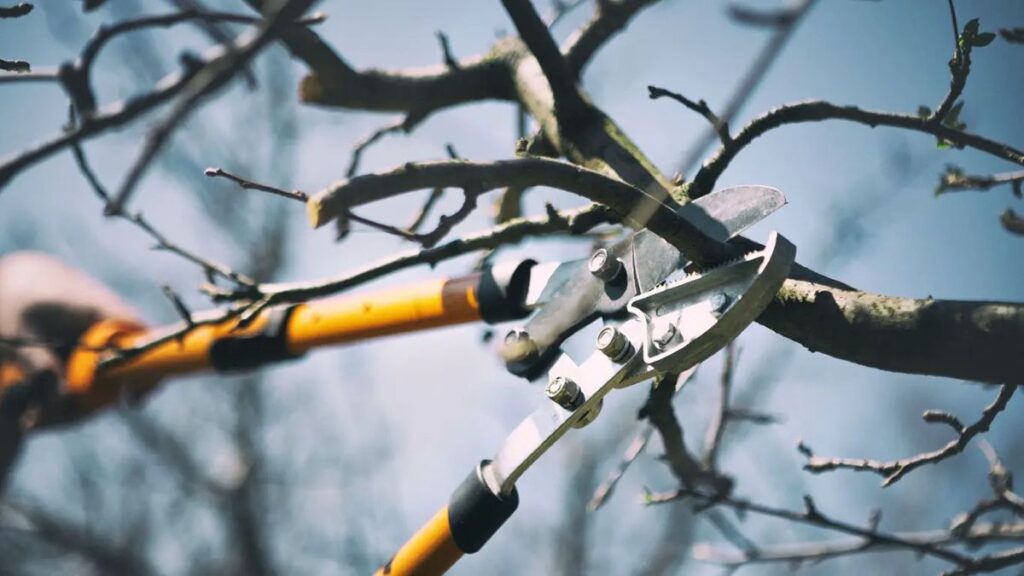
Loppers extend your reach and cutting power for branches between 2-5 cm thick. The long handles provide leverage, allowing you to cut through thicker wood without excessive strain. Look for models with telescopic handles to access higher branches while maintaining control. Quality loppers feature sharp, replaceable blades and comfortable grips that reduce hand fatigue during extended pruning sessions.
3. Pruning Saws
Pruning Saws become necessary when branches exceed 5 cm in diameter. These specialized saws feature curved blades with aggressive teeth designed to cut on the pull stroke, giving you better control and reducing the effort required. Folding pruning saws offer portability and safety when not in use, while fixed-blade models provide extra rigidity for demanding cuts.
4. Pole Saws
Pole Saws combine a pruning saw or cutting head with an extendable pole, reaching branches up to 5 meters high without requiring a ladder. Manual pole saws attach a curved saw blade to a long handle, while powered versions use electric or battery-operated motors. These tools prove essential for safe tree pruning practices when dealing with overhead branches.
Maintaining Sharp, Clean Equipment
Dull blades crush and tear plant tissue rather than making precise cuts. This ragged damage creates entry points for pathogens and slows the tree’s natural healing process. Sharpen your arborist equipment before each pruning season using a whetstone or professional sharpening service.
Sterilizing tools between trees prevents disease transmission. A simple solution of one part bleach to nine parts water effectively kills most pathogens.
How Can You Ensure Safety During Tree Pruning?
Safe tree pruning practices begin with proper personal protective equipment (PPE). At minimum, you need safety glasses or goggles to protect against falling debris, heavy-duty gloves to prevent cuts and blisters, a hard hat when working beneath large branches, and sturdy, closed-toe boots with good grip. Long-sleeved shirts and pants protect your skin from scratches and insect bites.
Essential Safety Gear Checklist:
- Safety glasses or face shield
- Work gloves with reinforced palms
- Hard hat or safety helmet
- Steel-toed boots with non-slip soles
- Long-sleeved clothing made from durable fabric
- Hearing protection when using power tools
What Hazards Should You Watch For?
Power lines present the most serious danger during tree pruning. Maintain a minimum distance of 3 meters from any power lines, and never attempt to prune trees near electrical infrastructure yourself. Contact your local electricity provider or a licensed arborist with specialized training for any work near power lines. Even dead power lines can become energized without warning.
Ladder safety requires careful attention. Position ladders on stable, level ground and ensure they extend at least 1 meter above the branch you’re working on. Never lean beyond the ladder’s side rails or stand on the top two rungs. Three-point contact (two hands and one foot, or two feet and one hand) should be maintained at all times.
When Should You Call a Professional?
Certain situations demand professional arborist equipment and expertise. Trees taller than 4 meters, branches thicker than 10 centimeters, or any work requiring a chainsaw typically exceeds safe DIY limits. Professionals carry public liability insurance and possess training in advanced rigging techniques that prevent property damage.
Situations Requiring Professional Help:
- Trees near power lines or buildings
- Large branches requiring rope systems
- Dead or diseased trees with unpredictable fall patterns
- Work above ground level exceeding comfortable ladder height
- Heritage-listed trees requiring documented care
How Do Weather Conditions Affect Safety?
Never prune during wet or windy conditions. Wet bark becomes slippery, reducing your grip on tools and branches.
Are There Any Regulations You Need to Consider When Pruning Trees in Sydney?
Yes, most tree pruning and removal activities on private land in Sydney require council approval. Sydney councils have implemented strict tree preservation orders to protect urban canopy coverage, meaning property owners cannot simply prune or remove trees without obtaining the necessary Sydney council tree permits first.
The permit application process typically requires detailed documentation about the tree in question, including its species, size, health condition, and the specific work you intend to perform. Councils assess applications based on factors such as the tree’s significance to the local environment, its structural condition, and whether the proposed pruning serves a legitimate purpose like safety concerns or disease management.
When Permits Are Required:
- Removing any tree above a certain height threshold (commonly 5 meters)
- Pruning more than 10% of a tree’s canopy
- Work on trees with trunk diameters exceeding specified measurements
- Any activity affecting trees in environmentally sensitive zones
Common Exemptions:
- Minor pruning for canopy lifting or clearance from structures
- Deadwood removal that doesn’t impact wildlife habitat
- Emergency work addressing immediate safety hazards
- Routine maintenance that doesn’t significantly alter tree structure
What Makes Heritage Trees Different?
Heritage-listed trees and those located within conservation areas face additional regulatory scrutiny. These trees hold historical, cultural, or environmental significance that extends beyond standard preservation requirements, making heritage tree regulations considerably more stringent than general tree protection laws.
Property owners must navigate a dual approval process for heritage trees. You’ll need both standard council tree permits and separate heritage approval from the relevant heritage authority. The assessment considers the tree’s age, rarity, historical associations, and contribution to the area’s character. Rejection rates for work on heritage trees are notably higher than standard applications.
Conservation area trees receive similar protection, as councils recognize their collective contribution to neighborhood character and ecological value. Even minor pruning work may trigger assessment requirements if the tree sits within a designated conservation zone.
Do You Need Professional Arborist Reports?
Most Sydney councils mandate arborist reports Sydney professionals prepare as part of the permit application. These reports must meet specific council standards and include comprehensive tree assessments conducted by qualified arborists holding minimum AQF Level 5 certification in arboriculture. Check out more about essential tips for year-round hedge trimming Sydney success.
How Can You Maintain Tree Health Through Soil Management?
Healthy soil directly determines your tree’s ability to absorb nutrients, resist disease, and thrive in Sydney’s urban environment. The foundation of effective soil health management begins with understanding your soil’s composition, pH levels, and drainage characteristics—all of which influence how well your trees can access water and essential minerals.
Testing and Adjusting Soil pH
Sydney’s soils typically range from slightly acidic to neutral, but testing reveals the precise pH level your trees are experiencing. Most trees prefer a pH between 6.0 and 7.0, though some native species tolerate more acidic conditions. Home testing kits provide quick results, while professional laboratory analysis offers comprehensive nutrient profiles.
Adjusting pH requires patience and regular monitoring:
- For acidic soil: Apply dolomite lime or garden lime at rates specified on packaging
- For alkaline soil: Incorporate sulfur or iron sulfate to gradually lower pH
- Annual testing: Check pH levels each spring to track changes and adjust treatments
Improving Drainage and Soil Structure
Poor drainage suffocates tree roots and creates conditions for root rot and fungal diseases. Sydney’s clay-heavy soils in many suburbs compound this challenge, requiring active intervention to prevent waterlogging.
Aerating compacted soil during the growing season allows oxygen to reach root zones. Use a garden fork to create holes around the drip line, avoiding areas within one meter of the trunk. Adding organic matter—compost, aged manure, or leaf mulch—improves soil structure by creating air pockets and enhancing water movement.
The Role of Mulching in Soil Health
A 7-10 cm layer of organic mulch around your tree’s base conserves moisture, regulates soil temperature, and suppresses competing weeds. Mulch breaks down over time, adding nutrients back into the soil and supporting beneficial microorganisms.
Apply mulch in a ring shape, keeping it 10-15 cm away from the trunk to prevent collar rot. Replenish mulch annually in spring, using materials like wood chips, pine bark, or sugar cane mulch suited to Sydney’s climate.
Watering Strategies for Optimal Soil Moisture
Established trees need deep, infrequent watering to encourage deep root growth. Instead of daily sprinkling or shallow watering sessions, aim for less frequent but thorough watering practices:
- Soak the area: Water deeply once every two weeks during dry spells
- Drip irrigation: Install drip systems for efficient moisture delivery directly to roots
- Rainwater harvesting: Collect rainwater in barrels or tanks for sustainable irrigation
By implementing these soil management techniques tailored specifically for Sydney’s unique conditions, you can significantly enhance the health and resilience of your trees over time.
Which Tree Species Are Best Suited for Urban Gardens in Sydney?
Urban gardens in Sydney need trees with non-invasive root systems that won’t damage foundations, pipes, or pavement. Choosing the right species helps avoid expensive repairs while providing shade, beauty, and environmental benefits. It’s also important to consider the mature size of the tree—a species that grows 20 meters tall is more suitable for parks than small courtyards.
What Root Characteristics Should You Look For?
The root system of a tree determines how well it can coexist with urban structures. Trees with fibrous, shallow root systems spread out horizontally without going deep into foundations or sewer lines. On the other hand, trees with aggressive tap roots or surface roots that buckle concrete can cause ongoing problems in residential areas.
Ideal root characteristics include:
- Compact root zones that stay within the tree’s canopy spread
- Non-invasive growth patterns that respect underground utilities
- Moderate water requirements that don’t seek out moisture in pipes
- Stability without extensive surface root development
Which Native Trees Work Best in Urban Spaces?
Native trees for urban planting are naturally adapted to Sydney’s climate and also support local wildlife. Here are some native tree species that work well in urban areas:
- Lemon Myrtle (Backhousia citriodora): This tree reaches a height of 5-8 meters and has a tidy root system, making it perfect for medium-sized gardens. Its aromatic leaves release citrus scents when brushed against, creating an appealing sensory experience in confined spaces.
- Illawarra Flame Tree (Brachychiton acerifolius): Known for its stunning red flowers in spring, this tree grows to a height of 10-15 meters without having invasive roots. It is suitable for larger urban properties where its deciduous nature allows winter sunlight to penetrate.
- Australian Native Frangipani (Hymenosporum flavum): This tree provides year-round greenery with fragrant yellow flowers and stays compact at 6-10 meters tall.
What About Non-Native Options for Sydney Gardens?
In addition to native trees, there are several non-native species that thrive in Sydney’s urban environment:
- Olive Trees (Olea europaea): These trees can tolerate poor soils and drought conditions while maintaining a manageable height of 4-8 meters. Their Mediterranean origin makes them well-suited for Sydney’s climate, although regular pruning is necessary to maintain their shape and fruit production.
- Japanese Maple (Acer palmatum): Known for its vibrant foliage colors in autumn, this tree typically grows between 4-10 meters tall depending on the variety. It prefers partial shade and well-drained soil, making it suitable for smaller gardens or courtyards.
What Does a Seasonal Tree Pruning Checklist Look Like in Sydney?
A seasonal tree care checklist in Sydney follows the city’s unique climate patterns, breaking down essential tasks across four key periods. Each season presents specific opportunities and requirements for maintaining healthy urban trees.
Spring (September–November)
Spring is when trees wake up from their winter sleep and start growing again. During this time, it’s important to pay close attention to how the trees are growing and look out for any problems.
Key tasks include:
- Check the trees thoroughly for any damage from winter, broken branches, or weak structures
- Trim spring-flowering trees after the flowers have faded so that next year’s blooms are preserved
- Spread 5-10 cm of organic mulch around the root area, making sure to keep it away from the trunk
- Start watering regularly as temperatures rise
- Use slow-release fertilizer to support new growth
- Keep an eye out for early pest activity, especially aphids and scale insects
- Remove any weeds competing with the trees at their base
Summer (December–February)
Sydney’s summers are hot and dry, so it’s important to focus on keeping the trees hydrated and protected. During this time, trees can get stressed from the heat and face more pest problems.
Priority actions:
- Water deeply but not too often—once or twice a week for established trees, more frequently for young ones
- Check the moisture level of the soil 10 cm below the surface before watering
- Use shade cloth or whitewash on the trunks of young trees that are prone to sunburn
- Only do light pruning to remove dangerous branches or improve airflow
- Pay extra attention to pests and diseases as their populations peak
- Refresh mulch layers if they have decomposed
- Avoid heavy pruning that could stress the trees during extreme heat
Autumn (March–May)
Autumn is a great time to plant new trees and get them ready for winter. The cooler temperatures during this season help reduce shock when transplanting and allow the roots to establish themselves.
Essential activities:
- Plant new trees while the soil is still warm but air temperatures are cooler
- Add a fresh layer of mulch to insulate the roots for winter
- Gradually cut back on watering as growth slows down
- Inspect for fungal diseases that thrive in moist autumn conditions
- Remove fallen leaves that may be hiding pests or pathogens
- Trim autumn-flowering native plants after they finish blooming
- Take note of any tree health issues that need attention during winter