
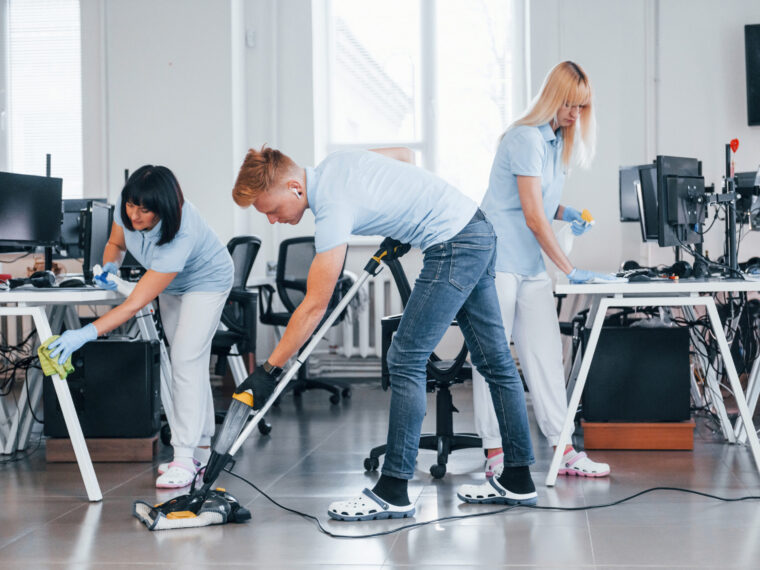
A good rule is this: high-touch, customer-facing areas need daily attention, while low-use zones can run on a weekly or monthly cycle. The rest comes down to risk and reputation.
How often should offices be cleaned?
Most offices should be cleaned at least 2–5 times per week, with daily cleaning for shared kitchens, bathrooms, and reception areas. Businesses using Cleaning Services Maitland often find that daily cleaning is the safer standard if they host clients regularly.
Desks and personal workstations may only need lighter cleaning, but high-touch points like door handles, printers, and meeting rooms should be disinfected frequently to reduce illness spread and downtime.
How often should retail stores be cleaned?
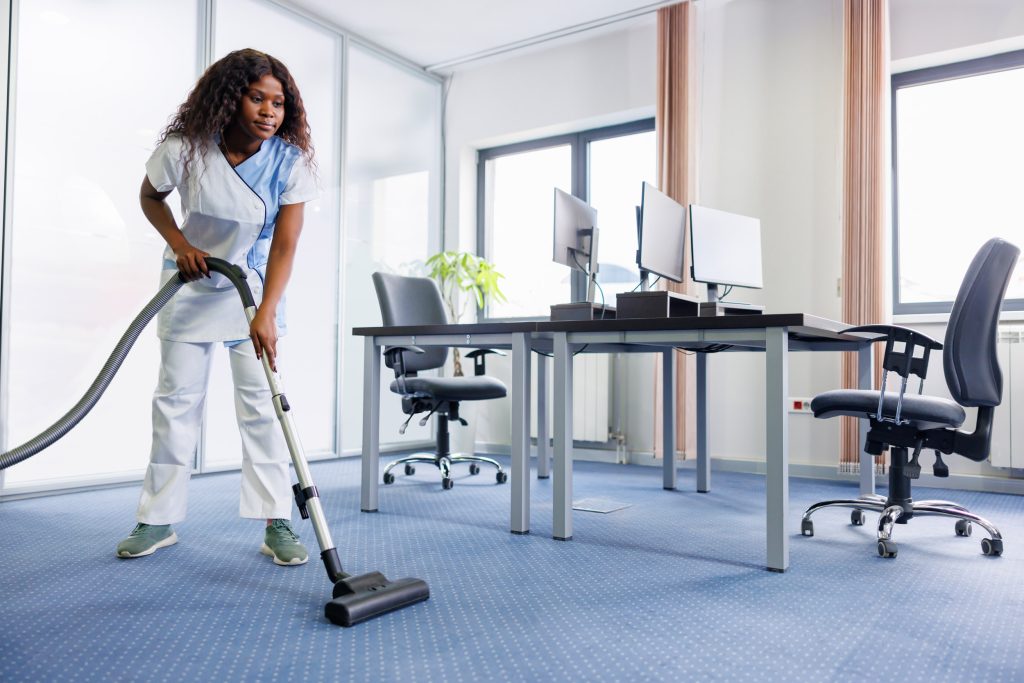
Retail spaces typically need daily cleaning, and busy stores often benefit from spot cleaning throughout trading hours. Floors, fitting rooms, counters, and entryways show dirt fast and customers notice.
Weekly deep cleaning helps with grout lines, edges, shelving dust, and stubborn marks. If they sell food, cosmetics, or products handled frequently, higher-frequency sanitising becomes more important.
How often should medical and allied health clinics be cleaned?
Clinics usually require daily cleaning at minimum, with multiple touchpoint disinfections per day in treatment areas, bathrooms, and waiting rooms. Many will also need stricter practices aligned with infection control expectations.
Regular deep cleans, often weekly, help manage bio-load, odours, and hard-to-reach dust. For these sites, cleaning is not just presentation; it is risk management.
How often should gyms and fitness centres be cleaned?
Gyms should be cleaned daily, with high-touch equipment sanitised multiple times per day. Sweat, shared surfaces, and humidity create ideal conditions for bacteria and odours.
Bathrooms and changerooms often need the most frequent attention. Weekly deep cleaning of mats, vents, corners, and rubber flooring helps keep the space feeling fresh and prevents grime buildup that becomes expensive to remove.
How often should restaurants and cafés be cleaned?
Food venues require daily cleaning, with many tasks done every shift. Front-of-house cleaning protects the customer experience, while back-of-house cleaning is essential for food safety and pest prevention.
Floors, bins, grease-prone zones, and bathrooms should be treated as high priority. Regular detail cleaning, often weekly, reduces grease film and odours that can creep into walls, grout, and fixtures.
How often should warehouses and industrial sites be cleaned?
Warehouses often work well with weekly cleaning, plus daily upkeep in bathrooms, lunchrooms, and entry areas. The right frequency depends on dust, forklifts, packaging waste, and whether goods must stay contamination-free.
Some sites need periodic machine scrubbing, high-dust removal, and spill response support. If dust affects safety, stock, or air quality, they may need more than a basic weekly schedule.
How often should childcare centres and schools be cleaned?
Childcare and school settings usually need daily cleaning, with extra focus on touchpoints like toys, tables, bathrooms, and door handles. Illness spreads quickly in these environments, so consistency matters.
Many sites also benefit from a weekly deep clean to tackle corners, vents, carpets, and hard-to-see grime. During flu season, increased disinfecting is often the practical move.
What areas should be cleaned daily no matter the industry?
Most commercial spaces should clean and disinfect a few zones every day, even if the rest is less frequent. These areas are where complaints, germs, and smells typically start.
Daily priorities usually include bathrooms, kitchenettes, bins, entry points, reception counters, door handles, light switches, and shared devices. If they want the workplace to feel “looked after,” these basics deliver the fastest payoff.
What tasks should be weekly or monthly instead of daily?
Weekly and monthly tasks keep the site from slowly degrading. They also reduce the need for disruptive, expensive restoration cleaning later.
Weekly tasks often include detailed kitchen cleaning, skirting boards, internal glass, dusting vents, and spot carpet care. Monthly tasks can include high dusting, machine scrubbing, upholstery care, and full-window cleans, depending on layout and traffic.

How should cleaning frequency change with foot traffic and season?
Higher foot traffic usually means higher frequency, because dirt and bacteria are being brought in continuously. A quiet office might cope with a few services per week, while a busy public-facing site often cannot.
Season also matters. Wet weather increases tracked-in grime and slip risk, while flu season often calls for more disinfecting. A smart cleaning plan adjusts with demand instead of staying fixed all year. Click here to get more about : Commercial Cleaning North Sydney: What Do High-Rise Offices Require?
How can a Maitland business choose the right cleaning schedule?
They should start with three things: how many people use the space, what the public sees, and what regulations apply. From there, they can build a schedule that covers daily hygiene, weekly detail work, and periodic deep cleaning.
A practical approach is to set a baseline (for example, daily bathrooms and bins), then add services until the site stays consistently clean between visits. If complaints appear or odours linger, frequency is usually the first lever to adjust.

FAQs (Frequently Asked Questions)
How often should commercial spaces in Maitland be cleaned to maintain hygiene and reduce complaints?
Commercial spaces in Maitland should establish a clear cleaning rhythm based on foot traffic, industry standards, and visibility to clients and staff. High-touch, customer-facing areas require daily cleaning, while low-use zones may be cleaned weekly or monthly. This approach helps control germs, reduce complaints, and avoid costly deep cleans later.
What is the recommended cleaning frequency for offices in Maitland?
Most offices in Maitland should be cleaned at least 2–5 times per week. Shared kitchens, bathrooms, and reception areas need daily cleaning. Desks require lighter cleaning, but high-touch points like door handles, printers, and meeting rooms should be disinfected frequently to minimize illness spread.
How often should retail stores be cleaned to ensure a positive customer experience?
Retail stores typically require daily cleaning, with busy stores benefiting from spot cleaning throughout trading hours. Weekly deep cleaning is recommended for grout lines, shelving dust, and stubborn marks. Stores selling food or frequently handled products need higher-frequency sanitising to maintain cleanliness and safety.
What are the cleaning requirements for medical and allied health clinics in Maitland?
Medical clinics require at least daily cleaning with multiple disinfections of touchpoints per day in treatment areas, bathrooms, and waiting rooms. Weekly deep cleans help manage bio-load and odours. Clinics must adhere to stricter infection control practices as cleaning is critical for risk management beyond presentation.
How should gyms and fitness centres schedule their cleaning routines?
Gyms should have daily cleaning with high-touch equipment sanitised multiple times per day due to sweat and humidity conditions that promote bacteria growth. Bathrooms and changerooms need frequent attention. Weekly deep cleans of mats, vents, corners, and rubber flooring prevent grime buildup and keep the environment fresh.
Which areas in any commercial space require daily cleaning regardless of industry?
Daily cleaning priorities across industries include bathrooms, kitchenettes, bins, entry points, reception counters, door handles, light switches, and shared devices. These areas are critical for controlling germs, preventing complaints, and maintaining a workplace that feels well-maintained.