
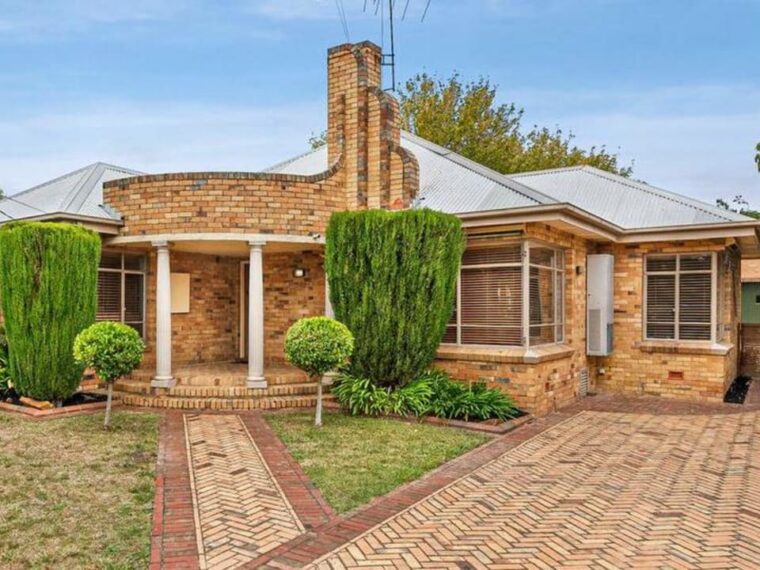
The key idea is intention. A portfolio is not “two random properties”, it is a set of holdings that work together toward a goal.
What is a property portfolio in the Australian context?
Building a property portfolio involves acquiring two or more properties for investment, often across different suburbs, cities, or property types. Owners typically view the portfolio as one financial system, where cash flow, debt, equity, risk, and performance are all interconnected.
In Australia, many portfolios include a principal place of residence plus one or more investment properties. Others are built purely from investment holdings through careful borrowing and reinvestment.

Why do Australians build property portfolios?
Most people build portfolios to create long-term wealth and optionality. The two main engines are capital growth over time and rental income that can improve financial stability.
They may also use a portfolio to diversify away from shares or business income, or to aim for a retirement income stream. The “why” matters because it shapes every decision that follows, from locations to loan structures.
What are the main portfolio strategies in Australia?
Most portfolio strategies sit on a spectrum between growth and cash flow. A growth-leaning approach targets areas with stronger long-term demand drivers, accepting tighter yields early on.
A cash flow-leaning approach prioritises higher rental returns, often in different locations and property types, to reduce the weekly holding cost. Many investors aim for a blend: growth assets early, then cash flow assets later to stabilise the portfolio.
How many properties count as a portfolio?
Two properties is usually the practical starting point, because a single asset has no “portfolio” effect. With two or more, their owners can compare performance, manage risk across locations, and plan debt reduction or recycling.
That said, quantity is not the point. A small, well-structured portfolio can outperform a larger one that is poorly financed or bought without clear criteria.
What steps should they take before buying the first investment property?
They should start by defining the goal: growth, cash flow, time horizon, and risk tolerance. Next comes a realistic borrowing assessment, including buffers for interest rate rises, vacancies, repairs, and strata or insurance costs.
They should also confirm the ownership structure and get advice on finance and tax settings early. Changing structures later can be expensive and messy, especially once multiple properties are involved.
How do they choose locations and property types in Australia?
They should look for places with strong, durable demand: jobs, transport, schools, lifestyle appeal, and constrained supply. In simple terms, areas where people want to live and can afford to keep renting or buying.
Property type matters too. Houses often offer land value exposure, while units may offer affordability and yield, but can carry higher strata costs and supply risk in some markets. Their selection should match the strategy, not trends.
How do they finance a portfolio without overextending?
They typically use a mix of deposit savings, equity, and lending capacity, while maintaining conservative buffers. The biggest portfolio risk is not “the wrong suburb”, it is cash flow stress during rate rises, vacancies, or unexpected repairs.
A common approach is to keep each purchase within a comfortable holding cost, avoid maxing out borrowing power, and regularly review the portfolio’s cash flow under higher interest rate scenarios. If the numbers only work in perfect conditions, the plan is fragile.
How do taxes and costs affect portfolio growth?
Australian property investing is heavily shaped by ongoing costs and tax outcomes. Their owners need to account for interest, insurance, property management fees, maintenance, council rates, water charges, strata, and land tax where applicable.
They should also understand depreciation, capital gains tax on sale, and how rental income is taxed at their marginal rate. The portfolio grows faster when costs are planned for upfront and surprises are minimised.

What does a sensible “build plan” look like over 5–10 years?
A typical plan starts with one quality asset that they can comfortably hold through cycles. Then they build equity and serviceability, and only add another property when the portfolio can absorb stress without forced selling.
Over time, they may rebalance by improving cash flow (for example, renovations, rent reviews, or adding a higher-yield asset), reducing non-deductible debt, or selling an underperformer. The most sustainable portfolios are managed, not just acquired.
What mistakes commonly derail Australian property portfolios?
The most common mistake is buying with emotion or urgency, then discovering the cash flow is too tight. Another is concentrating risk, such as multiple similar properties in one market, or buying into areas with oversupply and weak demand.
They also derail portfolios by ignoring building quality, strata liabilities, and maintenance realities. Finally, many people fail to review loan structures and cash flow as conditions change, which can quietly cap future borrowing capacity.
How can they track and manage a property portfolio properly?
They should track performance like a business: rental yield, net cash flow, vacancy, expenses, loan balances, and equity changes. A simple spreadsheet can work, as long as it is updated consistently and used to make decisions.
They should also schedule periodic reviews of insurance, property managers, rent levels, and lending terms. The goal is clarity: if they cannot explain where the portfolio is making money and where it is leaking money, they cannot improve it.
More to read : What Is Asset Management Real Estate And How Does It Work
What is the simplest way to start building a portfolio in Australia?
They should start by setting a clear goal, choosing one high-quality property they can hold comfortably, and building a buffer for bad months. From there, they can repeat the process only when cash flow and borrowing capacity allow it.
A property portfolio is built with patience and structure. In Australia, the people who do it best focus less on hype and more on fundamentals, finance discipline, and long-term holding power.

FAQs (Frequently Asked Questions)
What is a property portfolio in Australia and why is intention important?
A property portfolio in Australia is a collection of two or more properties held for investment, often across different suburbs, cities, or property types. Intention is crucial because a portfolio isn’t just random properties; it’s a set of holdings that work together toward a specific financial goal such as capital growth, rental income, or both.
Why do Australians build property portfolios and what are the main benefits?
Australians build property portfolios primarily to create long-term wealth and financial optionality. The main benefits include capital growth over time and rental income that improves financial stability. Portfolios also provide diversification away from shares or business income and can serve as a retirement income stream.
What are the common strategies for building a property portfolio in Australia?
Portfolio strategies in Australia generally range between growth and cash flow approaches. A growth-leaning strategy targets areas with strong long-term demand drivers, accepting tighter yields early on. Conversely, a cash flow-leaning approach prioritises higher rental returns to reduce holding costs. Many investors blend both by focusing on growth assets initially and adding cash flow assets later to stabilise the portfolio.
How should Australians choose locations and property types for their investment portfolios?
Investors should select locations with strong, durable demand factors like jobs, transport links, schools, lifestyle appeal, and constrained supply—areas where people want to live and can afford to rent or buy. Regarding property types, houses often offer land value exposure while units may provide affordability and higher yields but can carry higher strata costs and supply risks. Selections should align with the overall investment strategy rather than chasing trends.
What financing tips help Australians avoid overextending when building a property portfolio?
To avoid overextension, investors typically use a mix of deposit savings, equity, and lending capacity while maintaining conservative buffers for interest rate rises, vacancies, repairs, and other costs. It’s important to keep each property’s holding cost comfortable without maxing out borrowing power and regularly review cash flow scenarios under higher interest rates to ensure sustainability.
How can Australian property investors effectively track and manage their portfolios?
Effective management involves tracking key metrics such as rental yield, net cash flow, vacancy rates, expenses, loan balances, and equity changes consistently—often using spreadsheets or dedicated software. Regular reviews of insurance policies, property managers’ performance, rent levels, and lending terms help maintain clarity on profitability. Without clear insights into where money is made or lost within the portfolio, making informed improvements is difficult.