
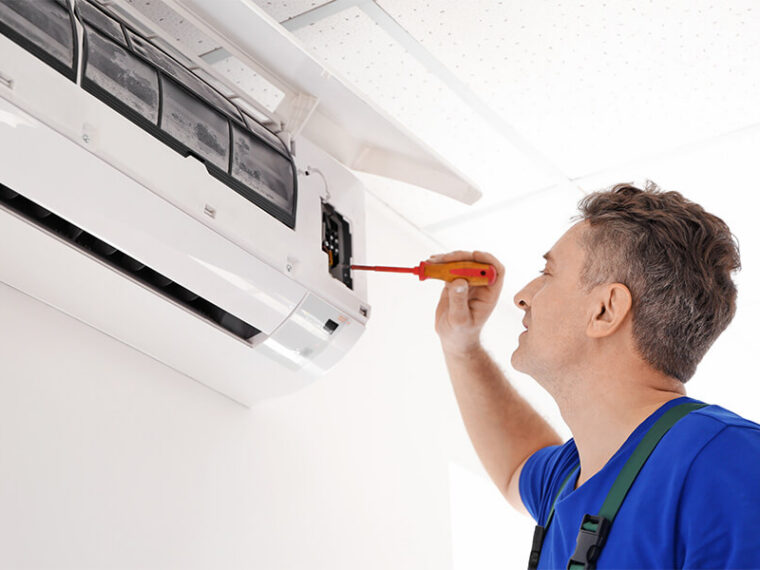
What air conditioning problems can they safely try to fix themselves?
They can usually handle issues that involve basic cleaning, simple resets, and airflow improvements. If the task does not require opening sealed panels, touching wiring, or handling refrigerant, it is often suitable for DIY.
Common DIY-safe fixes include cleaning or replacing filters, clearing debris around the outdoor unit, checking thermostat settings, and ensuring vents are open. These steps often restore performance when the problem is maintenance-related rather than mechanical.
How do they know if the issue is just a dirty filter or something bigger?
A dirty filter usually shows up as weak airflow, longer run times, and dusty smells, but the unit still “works.” After a filter clean, cooling should improve within a day.
If airflow stays weak, the indoor coil may be iced up, the fan may be failing, or ducts may be blocked. In such cases, arranging air conditioning repairs Blacktown is often necessary to diagnose deeper mechanical or airflow issues. If they see ice, hear grinding, or notice repeated shutdowns, it is likely beyond a filter problem.
What quick DIY checks should they do before calling for air conditioning repairs in Blacktown?
They can start with a simple checklist that rules out the most common non-technical causes. This can save time if they do call a technician, because they can describe what they already tested.
They should check the thermostat mode and batteries, confirm the circuit breaker has not tripped, inspect the outdoor unit for leaves and obstruction, and make sure all supply vents are open. They can also try a power reset by turning the system off at the isolator for a few minutes, then restarting.
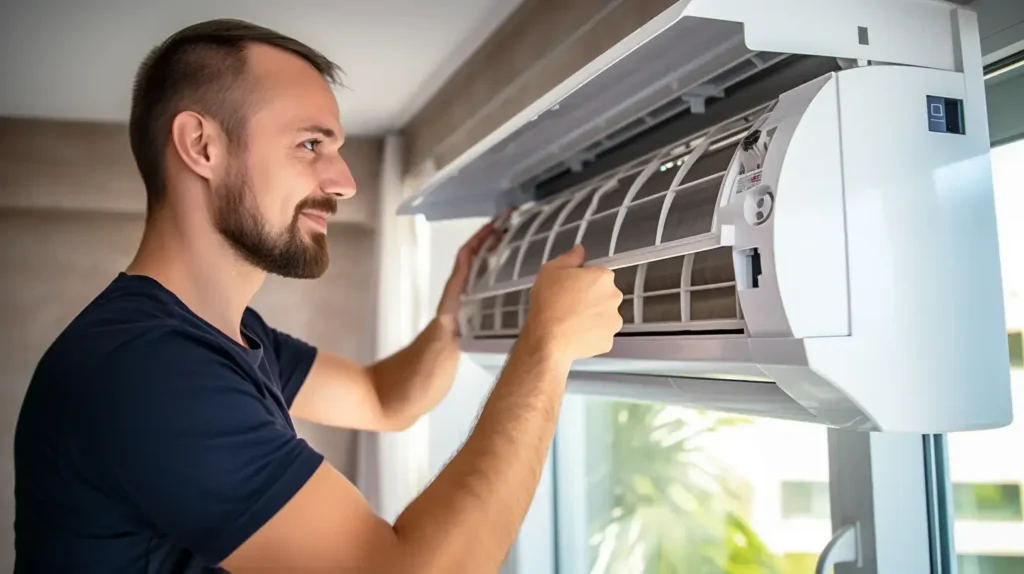
When does a DIY reset actually help, and when is it a waste of time?
A reset can help after a brief power fluctuation, a minor control board glitch, or a system lockout caused by an overloaded cycle. If it starts and runs normally afterward, the fault may have been temporary.
If it trips again, short cycles, or throws an error code repeatedly, resetting is only masking a problem. In that case, continuing to reset can increase wear or lead to bigger failures.
What warning signs mean they should stop DIY and call a professional immediately?
They should stop immediately if there is burning smell, smoke, sparking, loud electrical buzzing, or water near electrical components. These signs can indicate electrical faults that are unsafe to investigate without training.
They should also call a professional if the unit is leaking refrigerant, freezing up repeatedly, making loud grinding noises, or failing to start despite correct power and thermostat settings. These issues often involve parts replacement, pressure testing, or electrical diagnosis.
Why is refrigerant-related “DIY” risky and often illegal?
Refrigerant systems are sealed and require specialist tools, leak detection methods, and correct recovery and charging procedures. In Australia, handling refrigerant generally requires appropriate licensing and compliance with regulations.
If they attempt a top-up or open the system, it can lead to personal injury, environmental harm, and costly damage to the compressor. It also often voids warranties and can complicate later professional repairs.
Which common air conditioner faults in Blacktown typically require professional repairs?
Many faults are not visible until a technician tests pressures, electrical components, and temperature splits. These issues tend to worsen if left untreated.
Typical professional repairs include capacitor or contactor replacement, fan motor faults, compressor issues, refrigerant leaks, blocked indoor coils, drainage faults that keep returning, and electrical control failures. If the unit trips breakers, refuses to turn on, or cools poorly despite clean filters, professional diagnosis is usually the quickest path.
How can they decide between a DIY fix and a technician visit based on cost?
DIY makes sense when the fix is low-cost, low-risk, and likely to work, such as filter replacement or clearing outdoor airflow. If the problem persists after basic checks, a technician can prevent wasted time and escalating damage.
A useful rule is this: if they need tools beyond a vacuum, mild cleaner, and screwdriver, or if the fault affects electricity or refrigerant, professional help is usually the better value. Paying for an accurate diagnosis can be cheaper than guessing and replacing the wrong parts.
What should they expect during a professional air conditioning repair visit?
A technician typically starts by confirming symptoms, checking error codes, and testing airflow and temperature differences. They will inspect the indoor and outdoor units, electrical connections, and drainage.
If refrigerant is suspected, they may perform leak checks and pressure testing. They should expect clear repair options, a breakdown of parts and labour, and advice on whether repair or replacement makes more sense for the system’s age and condition.
How can they prevent repeat breakdowns after the repair?
Most repeat issues come from neglected airflow and drainage, or from running the system under strain during heatwaves. Basic maintenance reduces the chance of icing, water leaks, and high power bills.
They should clean filters regularly, keep the outdoor unit clear, and book periodic servicing, especially before summer. If they notice performance dropping again, addressing it early is usually cheaper than waiting for a complete failure.
Should they repair or replace an older air conditioner?
They should consider replacement if the unit is frequently failing, uses outdated refrigerant, or has a major compressor or coil leak. At that point, repair costs can stack up and efficiency may be poor.
If the unit is otherwise reliable and the issue is a straightforward part replacement, repair often makes sense. A professional can compare repair cost against the expected remaining lifespan and likely running costs.
What is the simplest takeaway for air conditioning repairs in Blacktown?
They can handle basic maintenance and simple checks, but they should not touch wiring or refrigerant systems. If safety signs appear, the unit keeps tripping, or cooling does not return after filter and airflow fixes, professional help is the smart move.
For many households, the best approach is quick DIY triage, then a licensed technician for anything deeper. That balance keeps costs under control and reduces the risk of turning a small fault into a major repair.
FAQs (Frequently Asked Questions)
What common air conditioning problems in Blacktown can homeowners safely fix themselves?
Homeowners can safely handle basic maintenance tasks such as cleaning or replacing filters, clearing debris around the outdoor unit, checking thermostat settings, and ensuring supply vents are open. These DIY fixes do not involve opening sealed panels, touching wiring, or handling refrigerant, making them low-risk and often effective for maintenance-related issues.
How can I tell if my air conditioner’s poor performance is due to a dirty filter or a more serious issue?
A dirty filter typically results in weak airflow, longer run times, and dusty smells while the unit still operates. After cleaning or replacing the filter, cooling should improve within a day. However, if airflow remains weak, or you notice ice buildup on the indoor coil, grinding noises from the fan, or repeated shutdowns, these signs indicate a more serious problem requiring professional attention.
What quick DIY checks should I perform before calling an air conditioning repair technician in Blacktown?
Before calling a technician, check that your thermostat is set correctly with fresh batteries, ensure the circuit breaker hasn’t tripped, inspect the outdoor unit for leaves or obstructions, confirm all supply vents are open, and try a power reset by turning off the system at the isolator for a few minutes before restarting. These steps help rule out common non-technical causes and can save time during professional diagnosis.
When is performing a DIY reset on my air conditioner helpful versus a waste of time?
A DIY reset can help resolve issues caused by brief power fluctuations, minor control board glitches, or temporary system lockouts due to overloading. If the system starts and runs normally afterward, the fault was likely temporary. However, if problems like short cycling or error codes persist after resetting, further resets only mask underlying issues and may lead to bigger failures—professional service is recommended then.
What warning signs indicate I should stop DIY repairs and immediately call an air conditioning professional?
You should immediately cease any DIY air conditioning intervention if warning signs such as burning odours, smoke emission, electrical sparking, persistent buzzing noises, or the presence of water near electrical components are detected, as these conditions indicate high-risk electrical system faults requiring urgent professional attention. Professional servicing is also necessary if the system exhibits refrigerant leakage, recurrent icing, abnormal grinding sounds, or failure to initiate operation despite correct power supply and thermostat configuration, as these issues typically require specialised diagnostic equipment and technical expertise.
Why is attempting refrigerant-related repairs on an air conditioner risky and often illegal in Blacktown?
Air conditioning refrigerant circuits are sealed systems that require certified diagnostic tools for accurate leak detection, recovery, evacuation, and recharging procedures. Within Australia, refrigerant handling is subject to regulatory licensing requirements and compliance standards. Any unauthorised intervention can result in personal safety hazards, environmental harm, irreversible compressor damage, voided manufacturer warranties, and increased complexity in future professional servicing. For regulatory and safety context, refer to licensed refrigerant handling and air conditioning compliance requirements in Australia.