
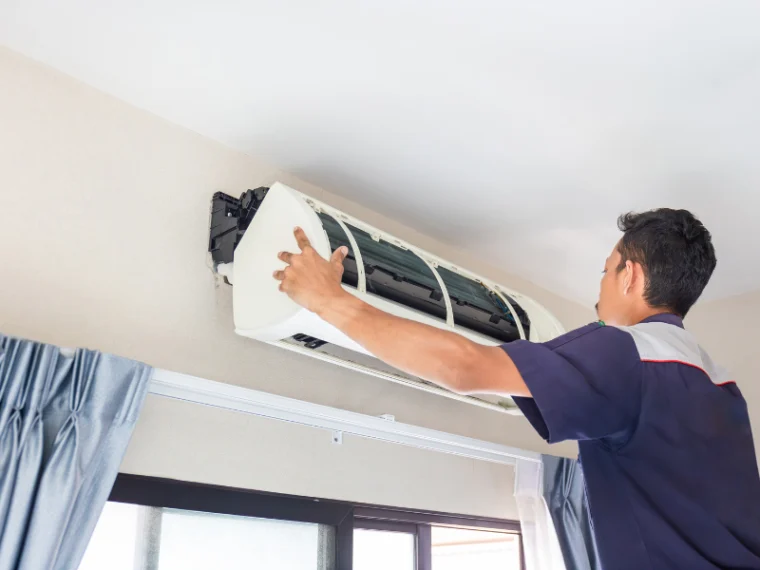
The exact steps vary by system type and access, but most reputable technicians follow a consistent process.
What should they do before they even touch the unit?
They should start by confirming the symptoms, system type, and site conditions. This includes noting the brand and model, age, maintenance history, and whether the system is used mainly for cooling, heating, or both.
They should also check basic safety and access, like isolator location, roof or balcony access for the outdoor unit, and any visible damage, leaks, or unusual noises reported by the occupants.
What does a typical split system service in Hornsby include?
They usually service both the indoor head and the outdoor condenser. The goal is to restore airflow, improve heat transfer, and confirm the system is operating within expected ranges.
In practice, a proper air conditioner service Hornsby will involve inspecting filters and coils, checking drainage, measuring temperatures, and testing basic controls. If the service is thorough, they will also look for early signs of electrical wear and vibration issues that can shorten component life.
How do they check airflow and filtration?
They will remove and inspect the indoor filters, then clean or wash them as appropriate. Clogged filters are one of the most common causes of weak airflow, icing, and higher running costs.
They may also assess the condition of the indoor fan barrel and louvres, since dust buildup there can reduce airflow and cause musty smells even when filters look “fine.”
What happens when they inspect and clean the indoor coil?
They inspect the evaporator coil for dust, oily buildup, mould, or corrosion. A dirty coil blocks airflow and reduces the system’s ability to absorb heat, which can make the unit run longer and feel less effective.
If cleaning is required, they use methods suited to the level of contamination and surrounding surfaces, aiming to clean without bending fins or sending residue into walls, floors, or electronics.
How do they handle the drain line and condensate tray?
They check the drain pan and drain line for blockages, slime growth, and signs of overflow staining. Drain issues are a frequent reason for water leaks from indoor units, especially in humid conditions or when systems run for long hours.
If there is a blockage, they clear it and confirm water is flowing freely to the correct discharge point. They may also advise on preventative steps if the property has recurring drainage problems.
What do they inspect in the outdoor unit?
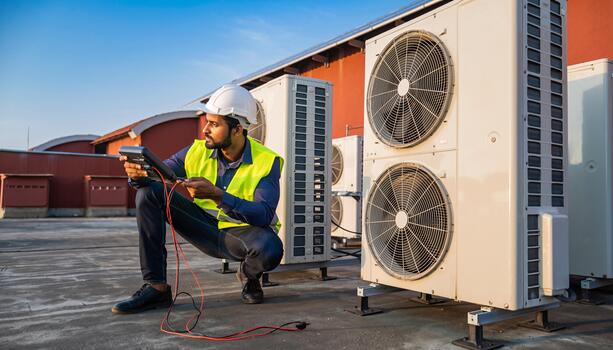
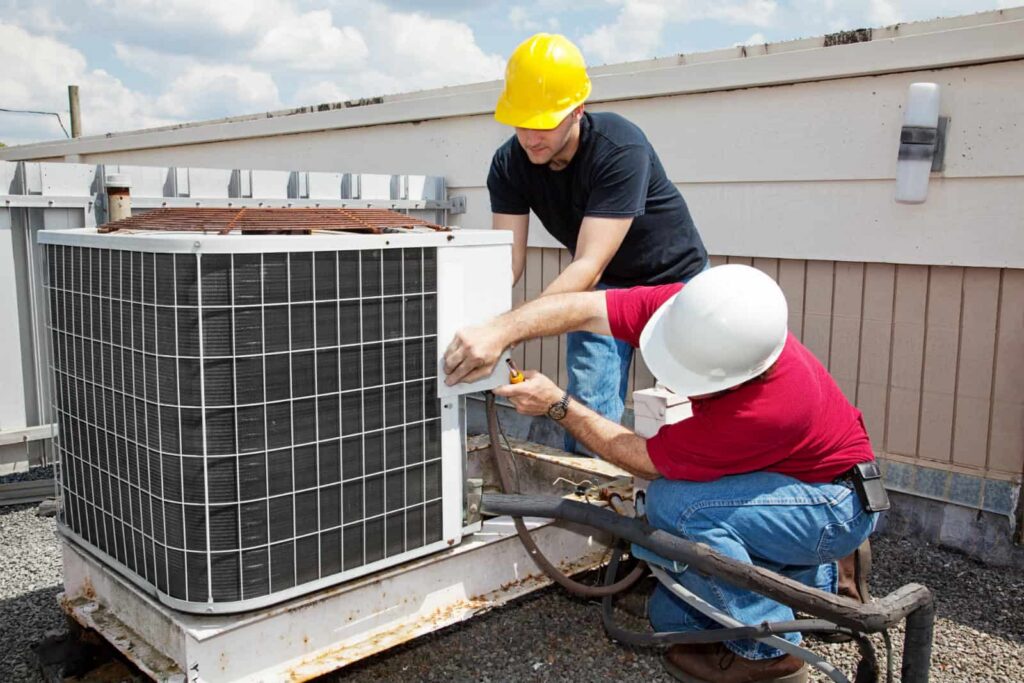
They inspect the outdoor coil, fan, casing, and base for debris, corrosion, and airflow restrictions. Leaves, lint, and dust can clog the outdoor coil and make heat rejection harder, pushing pressures up and efficiency down.
They also check fan operation and listen for bearing noise or rubbing. If the unit is mounted on brackets, they may check stability and vibration, since movement can strain pipework and electrical connections.
Do they check electrical components and safety controls?
They should. They will typically inspect isolators, wiring condition, and visible terminals for signs of heat stress, loose connections, or moisture ingress.
They may also test key electrical values and confirm the system starts, runs, and stops correctly through the controller. If they find anything unsafe, they should explain the risk plainly and recommend repairs rather than leaving it undocumented.
How do they confirm the system is actually cooling or heating properly?
They measure performance indicators rather than guessing. This often includes checking supply and return air temperatures, verifying the system reaches setpoint, and confirming stable operation without short-cycling.
They may also check for abnormal frost or ice formation, which can indicate airflow problems, sensor issues, or refrigerant-related faults. If results are borderline, they should explain what that means and what to do next.
Will they check refrigerant levels during a service?
They can check for signs that suggest a refrigerant issue, but they should not “top up” refrigerant casually. Refrigerant is in a sealed system; if it is low, there is usually a leak that needs locating and repairing.
If they suspect a leak, they should outline proper next steps, such as leak testing, repair options, evacuation, and correct recharging procedures. A good service identifies the issue and sets expectations, instead of offering a quick refill that fails again.
How is ducted air conditioning service different?
They still check the outdoor unit and the indoor coil, but ducted systems add extra points of failure. They may inspect return air filters, duct connections, zone motors (if applicable), and supply vents for airflow balance.
They can also identify issues like crushed or leaking ducts, poorly sealed returns, or blocked grilles. Those problems often show up as hot and cold spots in different rooms, even when the main unit seems to run normally.
What should they provide at the end of the service?
They should explain what they checked, what they cleaned, what they measured, and what they recommend. Ideally, they provide a simple summary that separates “done today” from “needs repair” and “monitor over time.”
They should also advise on basic upkeep such as filter cleaning frequency, keeping the outdoor coil clear, and early warning signs to watch for. A service is most valuable when the occupants leave knowing what condition the system is in and what to do next.
FAQs (Frequently Asked Questions)
What does a typical air conditioner service in Hornsby involve?
A typical air conditioner service in Hornsby includes a thorough check of both the indoor head and outdoor condenser units. Technicians inspect filters and coils, check drainage, measure temperatures, test controls, and look for early signs of electrical wear or vibration issues to ensure reliable cooling or heating performance.
How do technicians check and maintain airflow and filtration during service?
Technicians remove and inspect indoor filters, cleaning or washing them as needed to prevent clogged filters which cause weak airflow and higher running costs. They also assess the indoor fan barrel and louvres for dust buildup that can reduce airflow and cause musty smells even if filters appear clean.
What steps are taken to inspect and clean the indoor evaporator coil?
The evaporator coil is inspected for dust, oily buildup, mould, or corrosion since a dirty coil reduces heat absorption and system efficiency. Cleaning methods are carefully chosen to avoid damaging fins or causing residue spread, ensuring the coil is restored without harm to surrounding surfaces.
How are drain lines and condensate trays checked during an air conditioning service?
During a standard maintenance visit, technicians assess the condensate drain pan and associated drain line for common failure points such as blockages, biological buildup (slime or biofilm growth), or overflow staining, all of which are primary contributors to water leakage incidents. Any identified obstructions are cleared to restore unrestricted condensate flow, and proper discharge functionality is verified at the outlet point. Where recurring drainage issues are detected, preventative recommendations are provided to mitigate future system inefficiencies. For detailed maintenance context, refer to air conditioning condensate drainage inspection and maintenance procedures.
Do air conditioner services include electrical component inspections?
Reputable air conditioning servicing protocols include systematic inspection of electrical infrastructure components such as isolator switches, wiring integrity, terminal connections for heat degradation or moisture ingress, and verification of key electrical performance parameters. Technicians also validate correct operational sequencing, including system start-up and shutdown cycles via the control interface. Any anomalies or safety risks identified during inspection are documented with clear technical explanations and corresponding repair recommendations to ensure system compliance and operational safety.
How do technicians confirm that the air conditioner is cooling or heating effectively?
They measure performance indicators such as supply and return air temperatures, verify that the system reaches set temperature points, ensure stable operation without short-cycling, and check for abnormal frost or ice formation which could signal airflow or refrigerant issues. Clear explanations are provided if results suggest further action.