
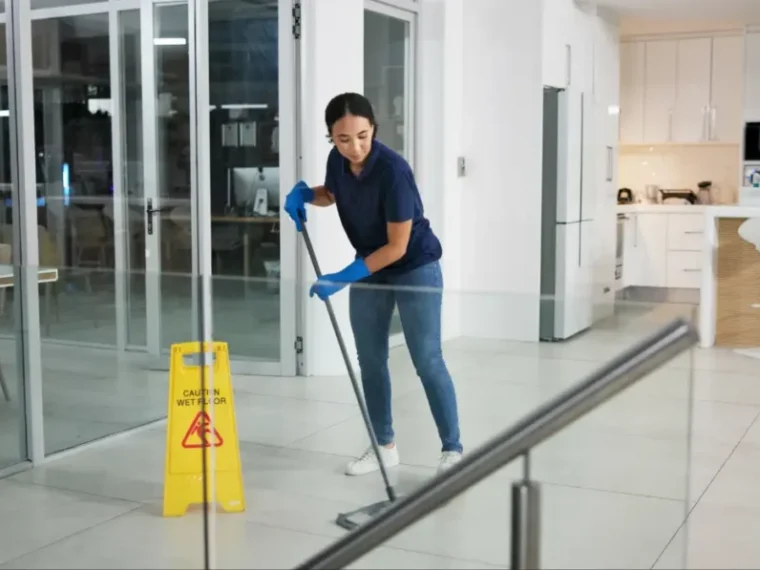
High rise commercial office cleaning is not just about making things look tidy. It is about keeping shared areas safe, keeping tenants happy, and not causing problems for building management. The best crews get that. They work like they belong in the building, not like visitors.
What makes high rise offices harder to clean than normal buildings?
High rise buildings stack everything. Tenants. Meeting rooms. Kitchens. Bathrooms. Lift lobbies. End of trip facilities. Loading docks. Waste rooms. And every floor has its own rhythm.
Cleaning teams have to deal with:
- High foot traffic in lifts, foyers, and shared corridors
- Multiple tenants with different expectations and fitouts
- Tight access rules, sign ins, and after hours constraints
- Noise sensitivity, especially in legal and finance tenancies
- Faster spread of germs, just because more people touch the same surfaces
In a small office, a cleaner can reset the place in an hour. In a tower, they are managing a system. If they miss one weak point like bathrooms, bins, or lift buttons, everyone notices. To arrange a professional service, click here for commercial office cleaning sydney.
Which areas in Sydney towers need the most attention?
They can clean desks all night and still lose the building if the high visibility zones look rough in the morning.
The usual pressure points are:
Lift lobbies and lift interiors
Fingerprints, scuffing, spills, and that stale smell that shows up fast. Buttons and rails are high touch, so they need frequent disinfecting, not just a quick wipe.
Bathrooms
These drive most complaints. Not always because they are dirty, sometimes because consumables run out, or one cubicle is always blocked, or there is a smell that never quite goes away.
Kitchens and breakout areas
Sydney offices love shared kitchens. They also love leaving crumbs, coffee rings, and mystery spills. If these are not cleaned properly, pests become a real risk.
Entry foyers and reception areas
This is the first impression zone. Polished floors, glass, matting, signage areas. If it looks dull, the whole building feels cheaper. End of trip areas—showers, lockers, bike storage—are damp spaces where ventilation issues can quickly lead to mould and odour. They need the right chemicals and drying habits, not just more water. Learn more about maintaining high-traffic entry zones and moisture-prone facilities.
How do they handle access, security, and building rules?
High rise cleaning is basically logistics with a mop in hand.
A competent team usually has:
- Clear induction and site specific SOPs
- Key and swipe card control, signed in and out
- After hours access planning, so alarms are not triggered
- Lift booking or service lift rules followed properly
- Equipment that fits the site, especially for tight corridors and smaller comms
Building management do not want surprises. Tenants do not want cleaners wandering into secure areas. So cleaners need to move with purpose, stay within approved zones, and document anything unusual. Learn more about secure-area procedures and facility compliance standards.
What does a proper cleaning schedule look like for a high rise?
They need layered cleaning. Daily, weekly, monthly, and periodic deep work. Otherwise it turns into constant spot fixing and complaints.
A realistic structure often looks like:
Daily
Bathrooms, bins, kitchens, high touch points, vacuuming and spot mopping, reception touch ups, lift lobby wipe downs.
Weekly
Detail dusting, skirting, glass touch up, grout checks, kitchen appliance externals, meeting room resets.
Monthly
High dusting vents and ledges, detailed glass, floor machine scrubs in heavy traffic zones, polish checks, storage areas.
Quarterly or biannual
Carpet extraction, hard floor reseal or burnish, full internal glass, pressure cleaning in service areas if applicable.
And yes, they should expect the schedule to shift. End of quarter. Big tenant move. Rainy weeks that trash the lobby floors. A good provider adjusts without making it a drama.
What should they expect for hygiene and infection control now?
Sydney offices have mostly settled down since the peak hygiene panic. But expectations did not go back to old levels. Tenants still want visible cleanliness, and they want reassurance.
That usually means:
- Disinfecting of high touch points on a set frequency
- Better bathroom checks and restocking logs
- Correct dwell times for disinfectants, not just spray and wipe
- Colour coded cloths and tools to reduce cross contamination
- Safe handling of sharps and biohazard incidents, just in case
It is not about overdoing chemicals. It is about using the right ones, in the right places, with a process that holds up when someone audits it.
How do they deal with waste, recycling, and loading dock realities?
This is where high rise cleaning gets very unglamorous. Waste rooms, dock schedules, bin overflows, recycling contamination. If this is handled poorly, it causes smells, pests, and tenant complaints fast.
A solid waste approach includes:
- Nightly internal bin collection with correct liner use
- Separation of recycling and general waste, consistently
- Cardboard breakdown and removal so it does not pile up
- Waste room cleaning and deodorising, not just sweeping
- Coordination with dock rules and collection times
If they are seeing flies, cockroaches, or constant bin juice smell, it is usually a waste process issue first, not a mystery.
What separates a good high rise cleaning provider from a cheap one?
Cheap cleaning shows up in patterns. Same missed corners, same streaky glass, same bathroom complaints. It might look fine for two weeks, then the building starts feeling tired.
Better providers usually bring:
- Supervisors who actually inspect, not just roster
- Reporting that is simple, fast, and acted on
- Staff who stay on the site long enough to learn it
- Equipment that is maintained and appropriate for the building
- Flexibility for events, inspections, and tenant requests
They also understand something that is hard to teach. High rise cleaning is reputation work. If tenants trust the cleaning team, the whole building runs smoother.
What should they ask before hiring a commercial office cleaner in Sydney?
They should ask practical questions. Not marketing questions.
A smart short list:
- Who supervises the site and how often do they inspect?
- What is included daily, weekly, monthly, and what costs extra?
- How do they handle consumables like soap and paper?
- How are security and access controlled?
- What happens when a tenant complains, and how fast do they respond?
- Can they provide a site specific plan, not a generic scope?
High rise buildings do not need promises. They need systems. The buildings that stay sharp year after year are the ones where cleaning is treated like an operation, not an afterthought. https://elmspringaccelerator.com/what-does-a-professional-cleaner-company-actually-include-in-a-service-plan/
FAQs (Frequently Asked Questions)
What challenges make high rise office cleaning in Sydney more complex than regular office cleaning?
High rise office cleaning in Sydney involves managing multiple floors with stacked tenants, meeting rooms, kitchens, bathrooms, and shared facilities. Cleaners face high foot traffic in lifts and corridors, diverse tenant expectations, strict access rules, noise sensitivities, and a faster spread of germs due to many touchpoints. Unlike small offices where cleaning can be quick, high rises require coordinated efforts to cover all critical areas without disrupting tenants or building management.
Which areas in Sydney’s high rise towers require the most attention during cleaning?
Key pressure points include lift lobbies and interiors (frequent disinfecting of buttons and rails), bathrooms (cleanliness and consumable restocking), kitchens and breakout areas (crumbs and spills to prevent pests), entry foyers and reception zones (maintaining polished floors and glass for first impressions), and end of trip facilities like showers and lockers which need proper ventilation and drying to avoid mould and odours.
How do cleaning teams handle access, security, and building rules in Sydney high rise offices?
Competent cleaning teams follow clear inductions and site-specific SOPs, control keys and swipe cards with sign-in/out procedures, plan after-hours access to avoid alarm triggers, adhere to lift booking rules, and use appropriate equipment for tight spaces. They move purposefully within approved zones to respect tenant privacy and building security while documenting any unusual findings.
What does an effective cleaning schedule for Sydney high rise offices look like?
An effective schedule layers daily tasks like bathroom sanitizing, bin emptying, kitchen cleaning, vacuuming, reception touch-ups, and lift lobby wipes; weekly duties such as detail dusting and meeting room resets; monthly deep cleans including high dusting vents and floor scrubbing; plus quarterly or biannual works like carpet extraction or pressure cleaning. Flexibility is key to adjust for tenant moves or weather impacts without causing disruption.
What hygiene and infection control measures are expected in Sydney high rise office cleaning today?
Post-pandemic expectations include regular disinfecting of high-touch surfaces with correct dwell times for chemicals, thorough bathroom checks with restocking logs, use of colour-coded cloths to prevent cross-contamination, safe handling of sharps or biohazards if encountered, all supported by processes that withstand audits. The focus is on effective rather than excessive chemical use to reassure tenants.
How do professional cleaners manage waste, recycling, and loading dock logistics in Sydney high rises?
Effective waste management involves nightly internal bin collection using correct liners, consistent separation of recycling from general waste, timely cardboard breakdown to prevent pile-ups, thorough cleaning and deodorizing of waste rooms beyond just sweeping, plus coordination with dock schedules for collections. Proper handling prevents smells, pests like flies or cockroaches, and tenant complaints associated with poor waste processes.