
Sometimes, sure. But a real service plan is usually a bundle of small, specific tasks, plus rules around timing, supplies, access, and what happens when something goes wrong. And the tricky part is this: two companies can both say “standard clean” and mean totally different things.
So what do they actually include. Like, for real.
What do they mean by a “service plan” anyway?
A service plan is the company’s repeatable checklist, frequency, and scope. It’s the blueprint they train cleaners on and the thing they use to price the job.
It usually includes:
- The type of cleaning (standard, deep, move out, post construction, office, etc.)
- The rooms included (and sometimes excluded)
- The tasks included per room
- The visit frequency (weekly, biweekly, monthly, one time)
- The estimated time on site or team size
- Supply and equipment expectations
- Add ons and upgrade options
- Policies for cancellations, reschedules, and refunds
It’s less “we clean your house” and more “here’s exactly what gets touched and how often.”
What’s typically included in a standard recurring cleaning?
Standard recurring service is what they expect to do on repeat visits, after the first reset. It’s meant to maintain, not rescue.
A typical standard plan includes:
- Dusting reachable surfaces (tables, shelves, window sills)
- Wiping counters and exterior cabinet faces (especially in kitchens)
- Cleaning sinks and fixtures
- Spot cleaning fingerprints on high touch areas (light switches, doorknobs sometimes)
- Vacuuming carpets and rugs
- Sweeping and mopping hard floors
- Emptying trash and replacing liners if provided
- Basic bathroom cleaning (toilet, shower, tub, mirrors)
They usually focus on visible dirt and high use areas. They are not usually pulling out the fridge every visit. If they do, that’s not “standard,” that’s a nicer standard.

What does a deep cleaning usually add on top?
Deep cleaning is where they try to get a place back to baseline. This is the plan companies use for first-time clients, seasonal resets, or homes that have not been cleaned professionally in a while. To arrange a professional service, click here for commercial cleaning company.
Common deep clean extras include:
- Detailed bathroom scrubbing (tile lines, soap scum focus)
- More thorough kitchen work (backsplash, cabinet fronts, inside microwave)
- Baseboards wiped down, not just dusted
- Doors and door frames spot cleaned
- Light fixtures and ceiling fans dusted
- More detailed dusting on ledges, blinds (sometimes), vents (sometimes)
- Extra attention to buildup behind and around toilets
Deep cleaning is also where they often set expectations. If there’s heavy scale, grease, or mold, they may say it needs a specialty treatment. That can be an add on or a separate service.
What do they include for move out or move in cleanings?
Move out and move in plans are usually more intense because the goal is “empty and reset,” not “lived in and tidy.” They often follow landlord or property manager expectations. Learn more about move-out standards and property management requirements.
They commonly include:
- Inside cabinets and drawers wiped out
- Inside fridge and oven cleaned (often optional, sometimes included)
- Baseboards, trim, and wall spot cleaning
- Inside closets wiped and vacuumed
- Full bathroom and kitchen detailing
- Floors cleaned more thoroughly since furniture is gone
Some companies also include interior windows, but many treat that as an add on. They will also have rules about utilities. If there’s no power or water, they cannot do much.
What’s included in office or commercial cleaning plans?
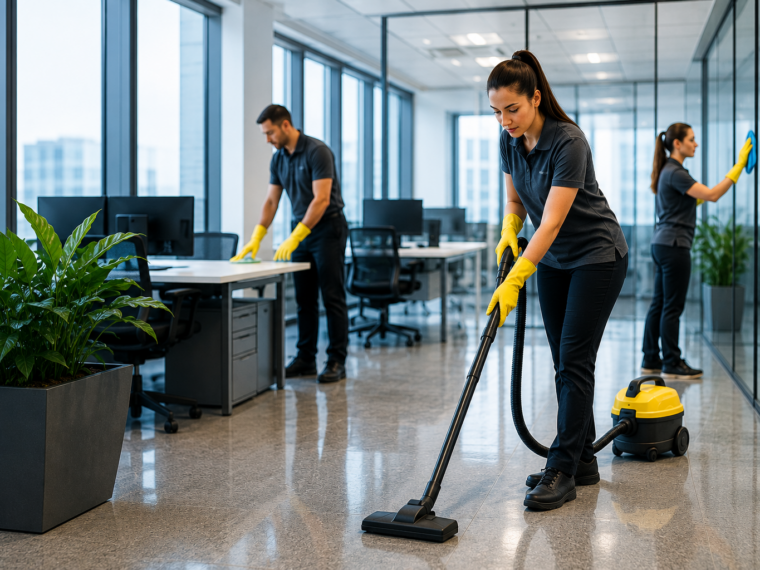
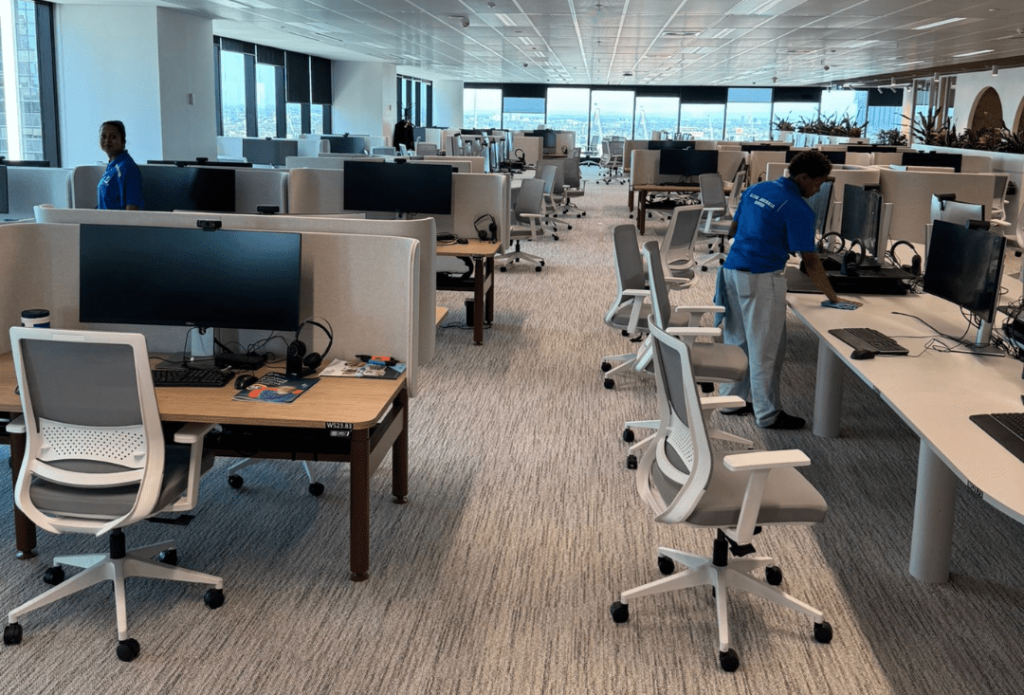
Commercial plans tend to be less about “deep” and more about routine and presentation. They are built around traffic patterns and hygiene.
A basic office plan often includes:
- Lobby and common area wipe downs
- Desk surface dusting (sometimes only if cleared)
- Trash removal and liner replacement
- Kitchen or breakroom sink and counter cleaning
- Bathroom restocking and sanitizing (if they supply consumables, it’s priced in)
- Vacuuming and mopping according to flooring type
- Glass cleaning on entry doors and partitions (limited)
They may also offer periodic services like carpet extraction, floor buffing, or disinfecting fog treatments. Those are typically separate line items. Learn more about professional deep-cleaning services and service inclusions.
What do they usually not include unless it’s added on?
This is where misunderstandings happen. Plenty of companies keep these out of the base price because they are time heavy or require special tools.
Often excluded unless added:
- Inside oven and inside refrigerator
- Interior windows and window tracks
- Blinds detail cleaning
- Dishes or laundry
- Picking up clutter or organizing (some will do light tidying, but not “reset a life”)
- Heavy stain removal (grout restoration, hard water scale removal)
- High ceiling work beyond safe reach
- Exterior areas like patios, garages, sheds
- Pet waste cleanup, litter box cleaning
If a plan is vague, clients should ask for the “not included” list. Good companies have one ready because they have heard every complaint before.
Who provides the supplies and equipment?
Most professional cleaner companies bring their own supplies and equipment as part of the plan, especially for recurring clients. That means their vacuums, mops, microfiber cloths, and standard chemicals.
But there are variations:
- Some plans are “bring everything,” included in price
- Some are “client provides vacuum,” especially in certain apartment buildings
- Some allow green only products if the client requests it
- Some will use client products if asked, but they may not guarantee results
A real plan will state what they bring, what they won’t use, and what happens if a client wants fragrance free or pet safe products.
How do they handle frequency, timing, and staffing?
Service plans usually tie price to frequency. Weekly is often cheaper per visit than monthly because less buildup means less labor.
They also define:
- Arrival windows (they might not promise an exact minute)
- Team size (one cleaner vs a crew)
- Expected duration (not always guaranteed)
- Rotation tasks (some items are “every other visit”)
A lot of companies quietly use rotation cleaning. For example, they may deep detail one bathroom one visit and the other bathroom next visit. It’s not bad, it’s just not always explained well.
What quality checks, insurance, and guarantees are typically included?
This is the part people forget to ask about until something breaks.
Many professional companies include:
- A satisfaction guarantee window (often 24 to 48 hours to report issues)
- Re clean policy for missed areas
- Liability insurance and sometimes bonding
- Cleaner background checks (varies, but reputable companies mention it)
- A supervisor spot check process for larger teams
They also have damage policies. Usually they’ll document it, and if it’s clearly their fault, they cover repair or replacement up to their policy terms. The plan won’t say “we break stuff,” obviously, but the company should be able to explain the process without getting weird about it.
How can they tell if a service plan is actually a good one?
A good plan is specific. It reads like a checklist, not a promise.
They should look for:
- Room by room task lists
- Clear add ons with prices or at least defined scope
- Supply and access rules in writing
- A “not included” section
- A guarantee policy and reporting window
- Clear expectations around clutter, pets, and fragile items
If the plan is just “we clean kitchens and bathrooms,” that’s not a plan. That’s marketing.
In the end, a professional cleaner company’s service plan is basically a contract of expectations. When it’s written clearly, everybody wins. When it’s fuzzy, somebody ends up annoyed, usually five minutes after the cleaners leave.https://elmspringaccelerator.com/commercial-office-cleaning-in-sydney-what-high-rise-buildings-actually-require/
FAQs (Frequently Asked Questions)
What is a “service plan” in professional cleaning services?
A service plan is the company’s repeatable checklist that defines the frequency, scope, and specific tasks of cleaning services. It includes details like the type of cleaning (standard, deep, move out, etc.), rooms covered, tasks per room, visit frequency, estimated time or team size, supply expectations, add-ons, and policies for cancellations or refunds. Essentially, it outlines exactly what gets cleaned and how often.
What does a standard recurring cleaning typically include?
Standard recurring cleaning focuses on maintaining cleanliness after an initial deep clean. It usually includes dusting reachable surfaces like tables and shelves, wiping counters and exterior cabinet faces in kitchens, cleaning sinks and fixtures, spot cleaning fingerprints on high-touch areas such as light switches and doorknobs, vacuuming carpets and rugs, sweeping and mopping hard floors, emptying trash with liner replacement if provided, and basic bathroom cleaning including toilets, showers, tubs, and mirrors.
How does a deep cleaning differ from a standard clean?
Deep cleaning aims to restore a home to baseline cleanliness and is often used for first-time clients or seasonal resets. It adds more detailed tasks such as thorough bathroom scrubbing focusing on tile lines and soap scum, extensive kitchen work including backsplashes and inside microwaves, wiping baseboards rather than just dusting them, spot cleaning doors and frames, dusting light fixtures and ceiling fans, detailed dusting of ledges and sometimes blinds or vents, plus extra attention to buildup behind toilets. Deep cleans may also identify areas needing specialty treatments like heavy scale or mold removal.
What is included in move out or move in cleaning plans?
Move out/in cleanings are intensive services designed to empty and reset a space according to landlord or property manager standards. They commonly include wiping inside cabinets and drawers, optional or included inside fridge and oven cleaning, baseboard and trim wiping with wall spot cleaning, inside closet wiping and vacuuming, full bathroom and kitchen detailing, plus thorough floor cleaning since furniture is absent. Interior window cleaning might be offered as an add-on. Utilities like power or water must be available for effective service.
What tasks are usually excluded from base cleaning plans unless added on?
Tasks often excluded due to their time intensity or need for special tools include inside oven and refrigerator cleaning; interior window and window track cleaning; detailed blind cleaning; dishwashing or laundry; clutter pickup or organizing beyond light tidying; heavy stain removal like grout restoration or hard water scale removal; high ceiling work beyond safe reach; exterior area cleanings such as patios or garages; pet waste cleanup; and litter box maintenance. Clients should ask for an explicit ‘not included’ list to avoid misunderstandings.
Who provides the supplies and equipment during professional cleaning services?
Most professional cleaner companies bring their own supplies and equipment—including vacuums, mops, microfiber cloths, and standard chemicals—as part of the service plan. However, some plans require clients to provide certain equipment like vacuums (common in some apartment buildings). Some companies accommodate requests for green products or use client-supplied products but may not guarantee results. A clear service plan states what supplies are provided by whom and any related policies.